The United Kingdom’s move to ease trade rules under its Developing Countries Trading Scheme (DCTS) is set to boost Philippine export competitiveness while strengthening the country’s push to join the Comprehensive and Progressive Agreement for Trans-Pacific Partnership, according to British Ambassador Sarah Hulton.
Hulton said the DCTS already provides duty-free access to about 92 percent of goods exported from the Philippines to the UK, covering key agricultural products and manufactured commodities. Recent enhancements, she noted, will further support exporters by allowing more flexible sourcing of inputs across Asia, strengthening regional supply chains.
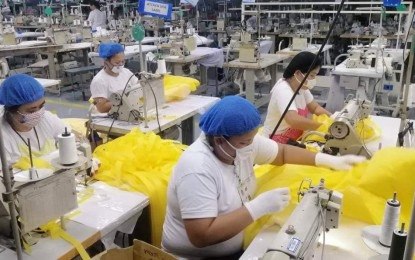
A key reform is the liberalization of rules of origin, a change expected to benefit the country’s garment sector. Philippine manufacturers can now source up to 100 percent of inputs from abroad while facing reduced processing requirements, lowering compliance costs and making it easier to integrate into regional value chains.
“This is going to enable firms to plug more efficiently into inter-regional trade,” Hulton said, adding that the changes align with broader efforts to enhance supply chain resilience.
The Philippines is already maximizing the scheme, with around 92 percent utilization of eligible exports to the UK. Hulton welcomed the strong uptake, noting rising demand for niche products such as ube in British markets.
The reforms come amid growing bilateral trade, which reached £3.2 billion in the first three quarters of 2025, up 8.9 percent from a year earlier. The UK has also expressed support for Manila’s bid to join the CPTPP, citing its commitment to trade liberalization and deeper global integration.
Hulton described the trade pact as a “high-standards” agreement offering access to a fast-growing region that accounts for roughly 15 percent of global GDP, providing stability and long-term growth opportunities.