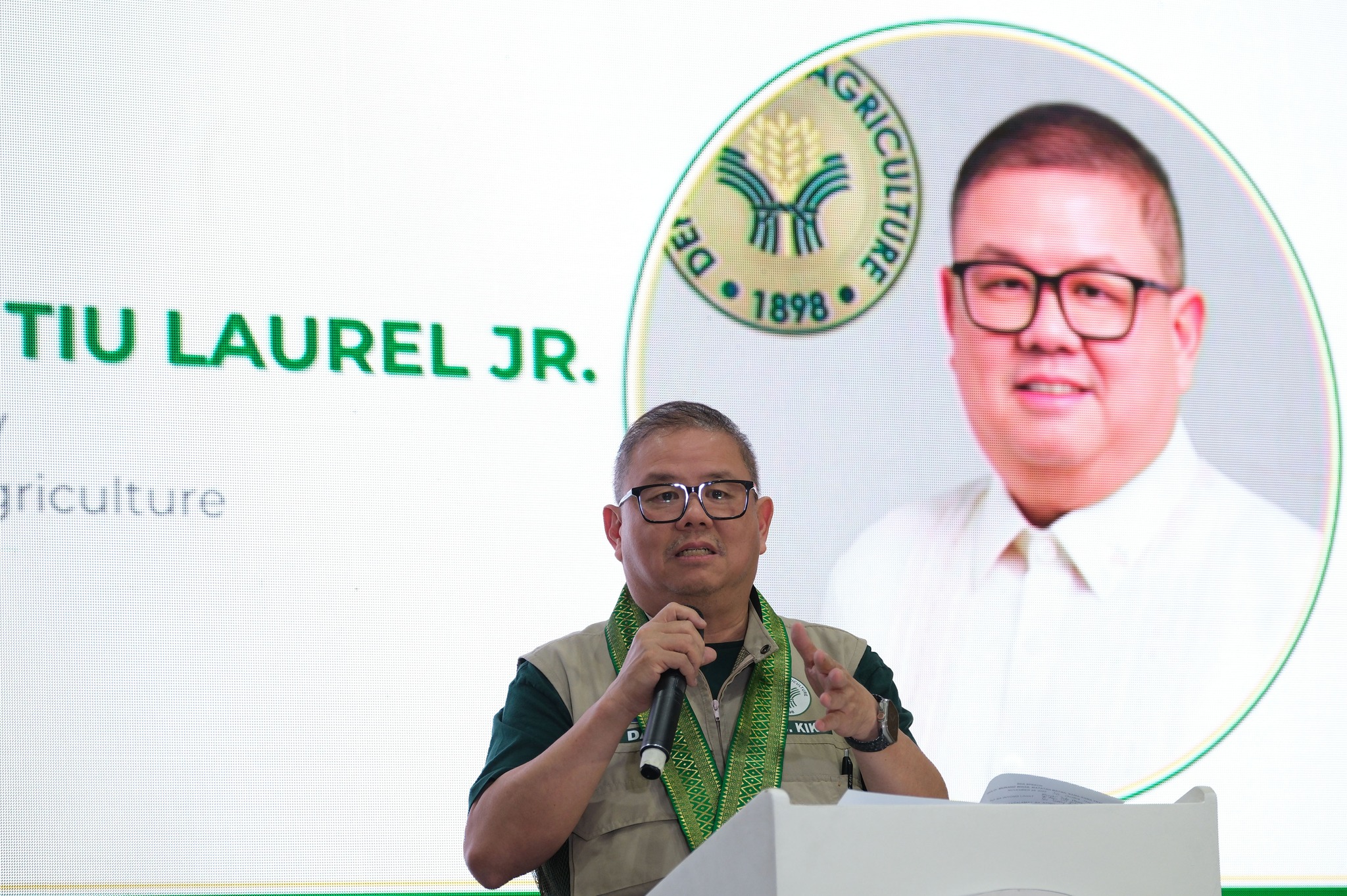
Agriculture Secretary Francisco Tiu Laurel Jr. said global agriculture is under heavy pressure from a combination of climate change, geopolitical conflicts, and disease outbreaks, making it harder for governments to manage food systems.
Speaking at a workshop on April 24 after a major trade meeting, Tiu Laurel described the situation as highly unstable and one of the toughest periods for agriculture leaders.
He pointed to extreme weather changes, including repeated El Niño and La Niña events, which are disrupting farming schedules. At the same time, livestock diseases like African swine fever and bird flu continue to reduce supply and push up prices.
Global tensions, such as the war in Ukraine and the effects of the pandemic, have also disrupted supply chains and caused some countries to limit exports. Tiu Laurel said these problems are no longer isolated but are happening more often and with greater impact.
While he noted that uncertainty is not new in business, he said the current situation is more intense than usual.
For the Philippines, he identified high production costs as a major issue, mainly due to gaps in infrastructure and logistics. He said improving efficiency is key to strengthening local supply and boosting exports.
Despite the challenges, Tiu Laurel stressed the importance of international cooperation, saying global forums remain important for dialogue during uncertain times.
His remarks highlight the growing difficulty for policymakers as multiple global risks continue to affect food security and trade.