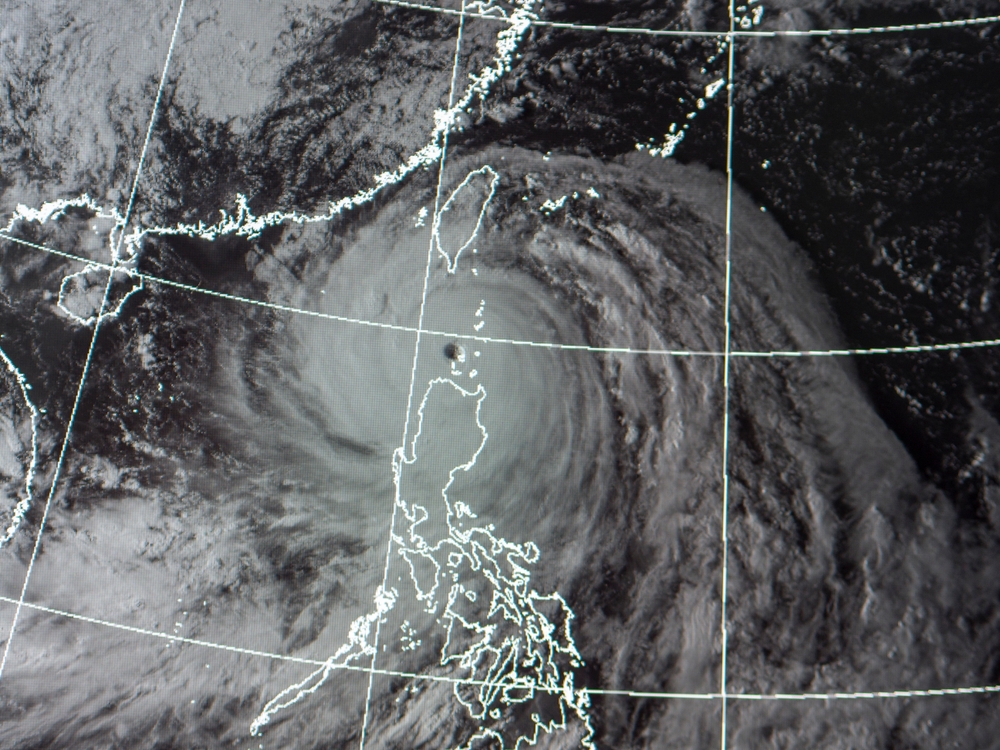
A new climate study warns that some cities are basically “sitting ducks” for record-breaking rainfall, and the Philippines is high on the danger list.
Researchers looked at Southern Africa and Southeast Asia, where storms, floods, and extreme rain have become nastier in recent decades. The problem is that weather records in many countries are surprisingly patchy. It’s like trying to judge a whole Netflix series after watching only two episodes. In many areas, weather stations are sparse, records are short, and some extreme storms have damaged the very systems meant to track them.
One of the researchers behind the study is Filipino scientist Mahar Lagmay, the executive director of Project NOAH (Nationwide Operational Assessment of Hazards) and a professor at the National Institute of Geological Sciences of the University of the Philippines Diliman.
The climate research appears in the June issue of ScienceDirect. The team used a technique called UNSEEN, short for “UNprecedented Simulated Extreme ENsemble.” In simple terms, they created thousands of realistic weather simulations to see what today’s climate is capable of, even if those disasters haven’t happened yet.
The results were sobering. Since 1981, the risk of extreme rainfall has already increased across many cities, including Bangkok, Hanoi, Johannesburg, and parts of the Philippines. In some places, the odds of severe downpours have doubled.
The Philippines stood out for another reason. The study found rainfall risks here are already rising faster than some future climate projections predicted. Translation: climate change may not be politely waiting its turn.
Researchers also identified areas with “soft records.” These are places that haven’t recently experienced catastrophic rainfall but statistically look overdue for one. The scientists call them “sitting ducks” because the danger is growing even if recent history looks quiet.
Communities often prepare based on memory. If a town hasn’t seen a monster flood in decades, residents may assume they’re safe until nature suddenly decides otherwise.
Scientists pointed to disasters like Severe Tropical Storm Kristine and the deadly lahars after the Taal eruption as reminders that extreme rain can trigger cascading catastrophes. In Mindanao, researchers noted that unfamiliarity with super typhoons contributed to deadly outcomes during Super Typhoon Bopha in 2012.
The researchers said we are already living in a changed climate, and rare disasters that once seemed almost impossible are becoming more likely.
They want governments to stop relying only on old weather records and start “stress-testing” roads, hospitals, flood systems, and emergency plans against worst-case scenarios. The idea is simple. Prepare for storms that could shatter records, not just repeat history.