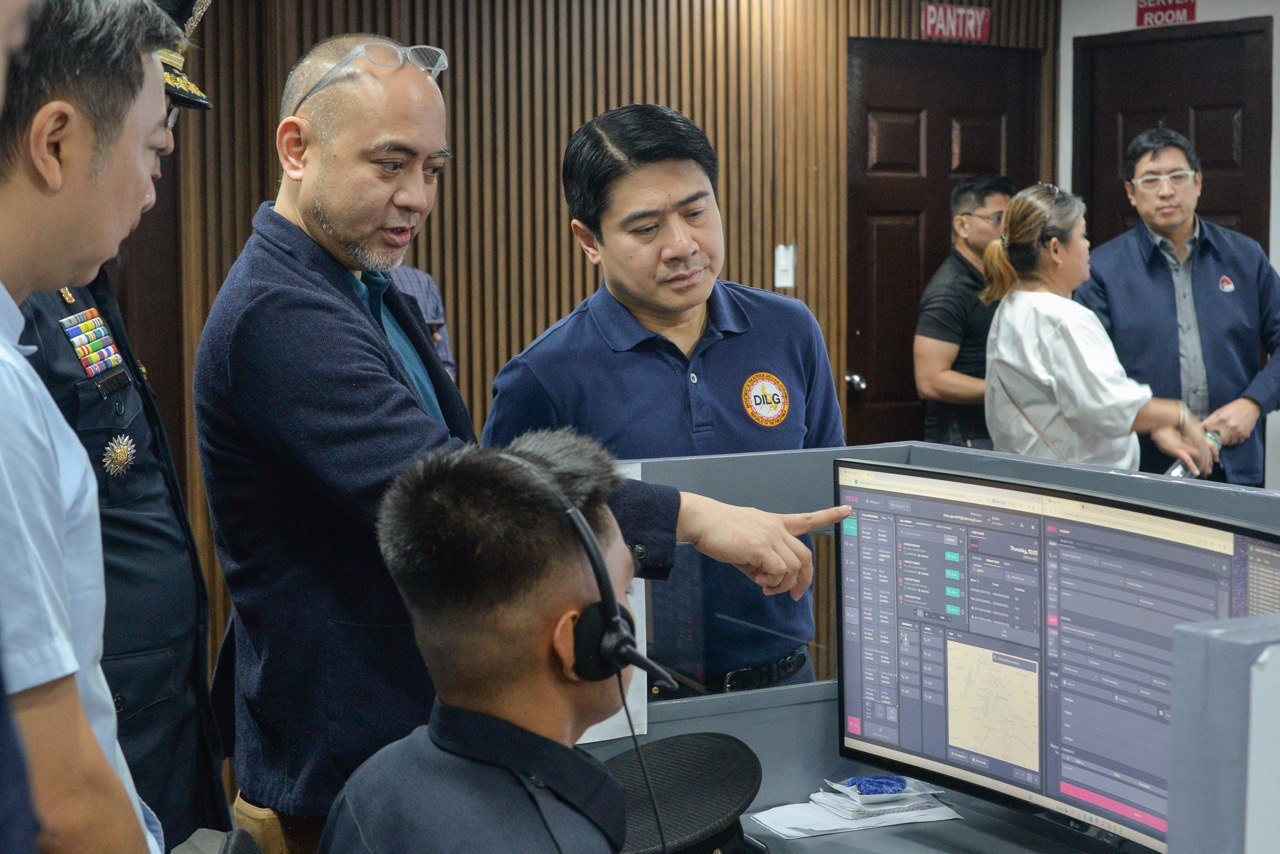
The Philippines is expanding its technology-driven emergency response network with the activation of four new Satellite Command Centers (SCCs), strengthening the reach and resilience of the Unified 911 Emergency Response System.
The new facilities, located in Batac City, Ilocos Norte; Cauayan City, Isabela; Leganes, Iloilo; and Tacloban City, Leyte, are designed to improve emergency call handling and ensure uninterrupted operations during disasters, power outages, or telecommunications disruptions.
The expansion is powered by a cloud-based emergency communications platform developed by NGA 911 Philippines and supported by PLDT’s telecommunications infrastructure.
The system allows emergency calls to be routed across multiple command centers, enabling decentralized operations while maintaining seamless coordination with the National Command Center in Manila and the Visayas Regional Hub in Cebu.
Officials demonstrated how the technology can provide real-time location tracking, faster dispatch of emergency responders, and continuous communications even when individual command centers or networks become unavailable.
The command centers are also linked directly to major government agencies, including the National Disaster Risk Reduction and Management Council, Philippine National Police, Bureau of Fire Protection, Department of Health, and Philippine Coast Guard. These dedicated connections are expected to improve information sharing and speed up coordinated responses during emergencies.
Department of the Interior and Local Government Secretary Jonvic Remulla said the latest expansion marks another step toward building a fully integrated national emergency response system, giving more Filipinos access to faster and more reliable emergency services.
Beyond strengthening communications infrastructure, the regionalized network is expected to improve service delivery by enabling operators to communicate in local languages and draw on their familiarity with local terrain and conditions.
As the Unified 911 network continues to expand, the government is banking on advanced communications technology to make emergency assistance more accessible, responsive, and reliable, ensuring help can be mobilized quickly wherever and whenever it is needed.