Universal Health Care may be crafted in policy halls, but its success will ultimately be determined in barangays, clinics and communities where patients seek care every day.
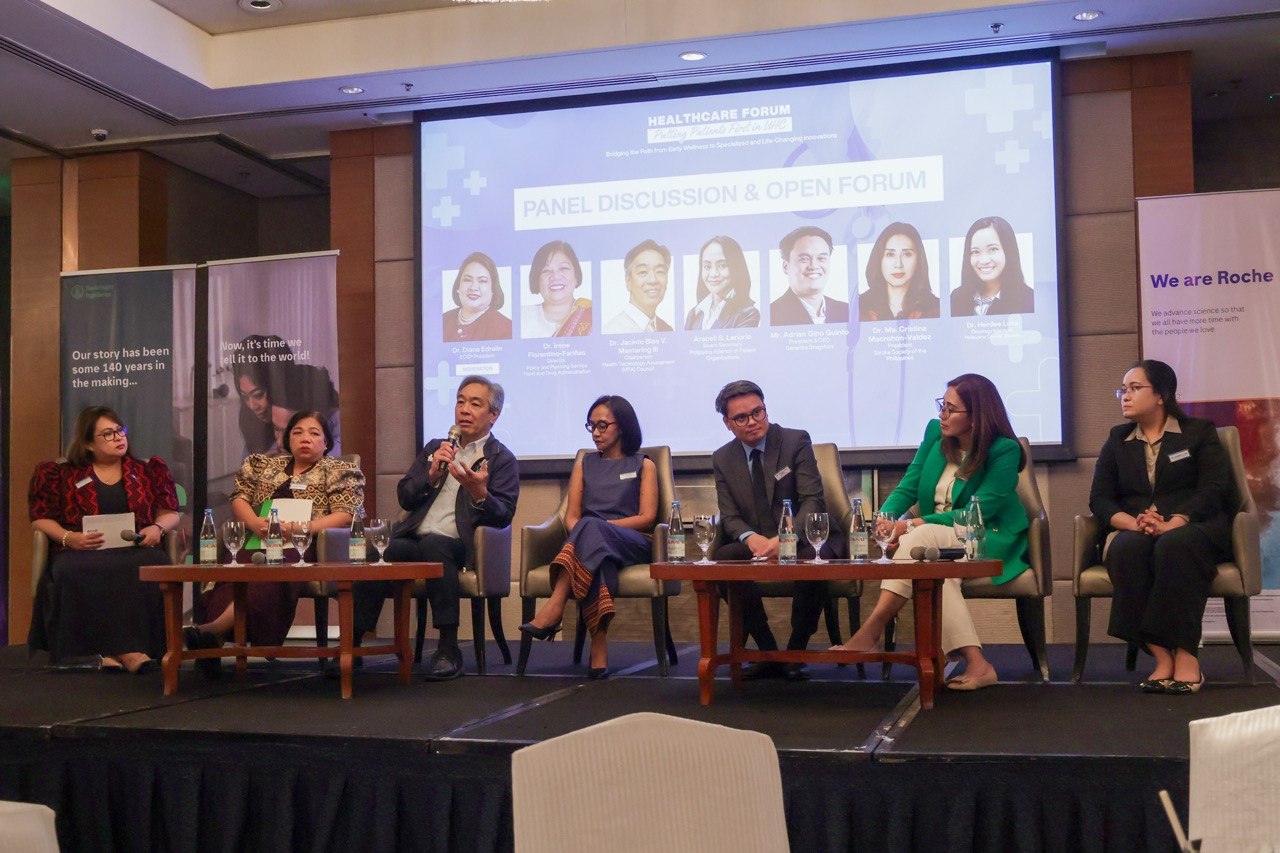
That was the central message from health experts at the forum “Putting Patients First in UHC: Bridging the Path from Early Wellness to Specialized and Life-Changing Innovations,” organized by the European Chamber of Commerce of the Philippines.
Speakers said community-based health systems and public-private partnerships are emerging as some of the most effective tools for translating UHC goals into tangible outcomes, particularly in prevention, early intervention and access to specialized care.
Dr. Marlon Molano, Quezon City’s medical coordinator for health education and promotions, pointed to the city’s mental health program as an example of how local governments can build integrated and sustainable healthcare systems.
Anchored on the Quezon City Mental Health Code of 2022, the program traces its roots to initiatives launched as early as 2015. It combines community services, youth and workplace interventions, crisis response mechanisms and mental health support facilities, including wellness hubs and a hotline that has assisted more than 1,800 individuals.
Molano said mental healthcare requires more than isolated programs. It demands coordinated systems, sustained funding, multi-sector collaboration and stronger support from national institutions, including broader PhilHealth coverage.
Meanwhile, Dr. Maria Greta Cortez, head of medicine at Boehringer Ingelheim Philippines, highlighted how community-level public-private partnerships are helping close gaps in healthcare delivery.
She cited programs such as Iwas Dialysis and Ligtas Kidneys, which focus on chronic kidney disease prevention and early detection. According to Cortez, successful partnerships depend on strong local government ownership, clearly defined responsibilities, data-driven planning and the flexibility to adapt to local conditions.
The discussion underscored a common view among stakeholders. While national reforms provide the framework, stronger community health systems and effective public-private collaboration will be critical to making Universal Health Care more accessible, responsive and sustainable for Filipinos.