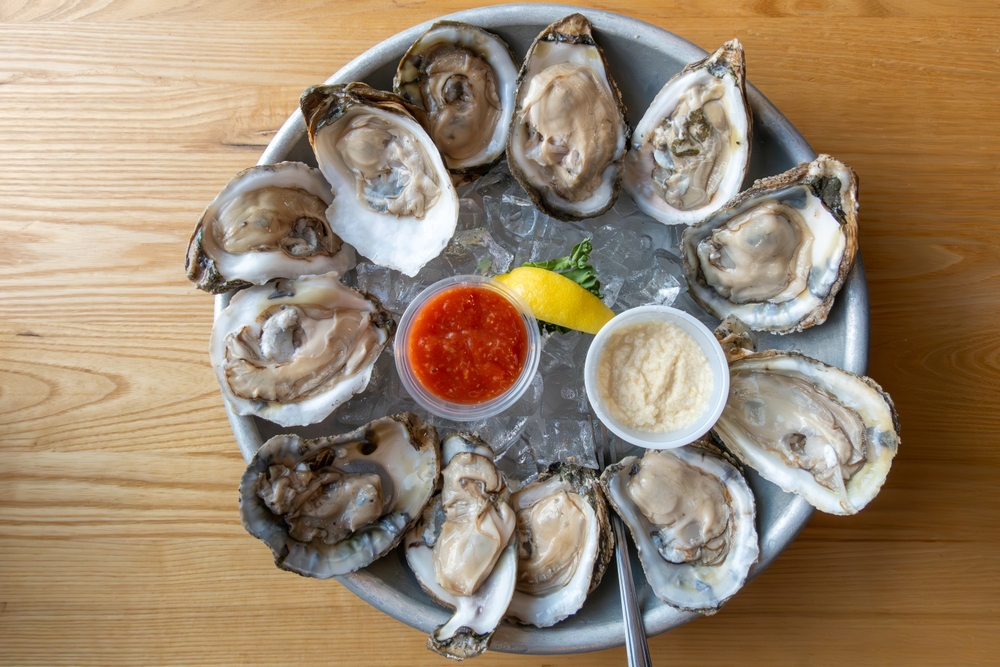
The oyster may have survived the tides, dodged predators, and passed food safety inspections. But its riskiest journey could begin the moment it reaches your kitchen.
A study by researchers from the University of the Philippines Diliman, Ateneo de Manila University, and the Bureau of Fisheries and Aquatic Resources has found that while Filipino shellfish lovers generally practice safe food handling, many unknowingly let down their guard when they reach home.
The research, published in the June issue of the Philippine Journal of Science, surveyed 114 consumers in Capiz, Cavite, and Pangasinan, three of the country’s major shellfish-producing provinces. The verdict? Filipinos are good at spotting fresh shellfish, properly shucking oysters, storing them correctly, and disposing of shells responsibly. But the finer details of food safety often slip through the cracks.
Few consumers perform the simple “tap test” to check whether live shellfish are still alive before buying. Tapping a shell to check whether it closes to confirm that the shellfish is alive is an established and recommended method for assessing freshness and safety.
Many also neglect to thoroughly sanitize knives, cutting boards, and other tools used for shucking. Even more striking, most rely on guesswork instead of temperature when cooking, despite heat being the final defense against harmful bacteria and viruses.
That matters because oysters and mussels are nature’s filter feeders. As they strain seawater for nutrients, they also accumulate microorganisms, pollutants, and pathogens that can end up on the dinner plate if not handled properly.
Ironically, the very qualities that make shellfish attractive—they’re affordable, protein-rich, and packed with omega-3 fatty acids—also make them a public health balancing act.
The World Health Organization estimates that seafood accounts for about one in 10 foodborne illnesses worldwide.
The researchers argue that consumers have become the last and perhaps weakest link in the shellfish safety chain. Better public education, easier access to sanitation tools, and clearer guidance on cooking temperatures could dramatically reduce preventable illnesses.
In other words, the next seafood scare may have less to do with what’s harvested from the sea than what happens after it reaches the kitchen sink.