The Philippines is strengthening its emergency response system with artificial intelligence-powered upgrades to Unified 911, a move aimed at easing one of the biggest concerns among foreign tourists and expatriates—getting help quickly during emergencies despite language barriers.
Timed with National Disaster Resilience Month, the new features introduce real-time language translation and multi-channel emergency reporting, aligning public safety with the country’s broader push to attract more tourists, foreign talent and investments.
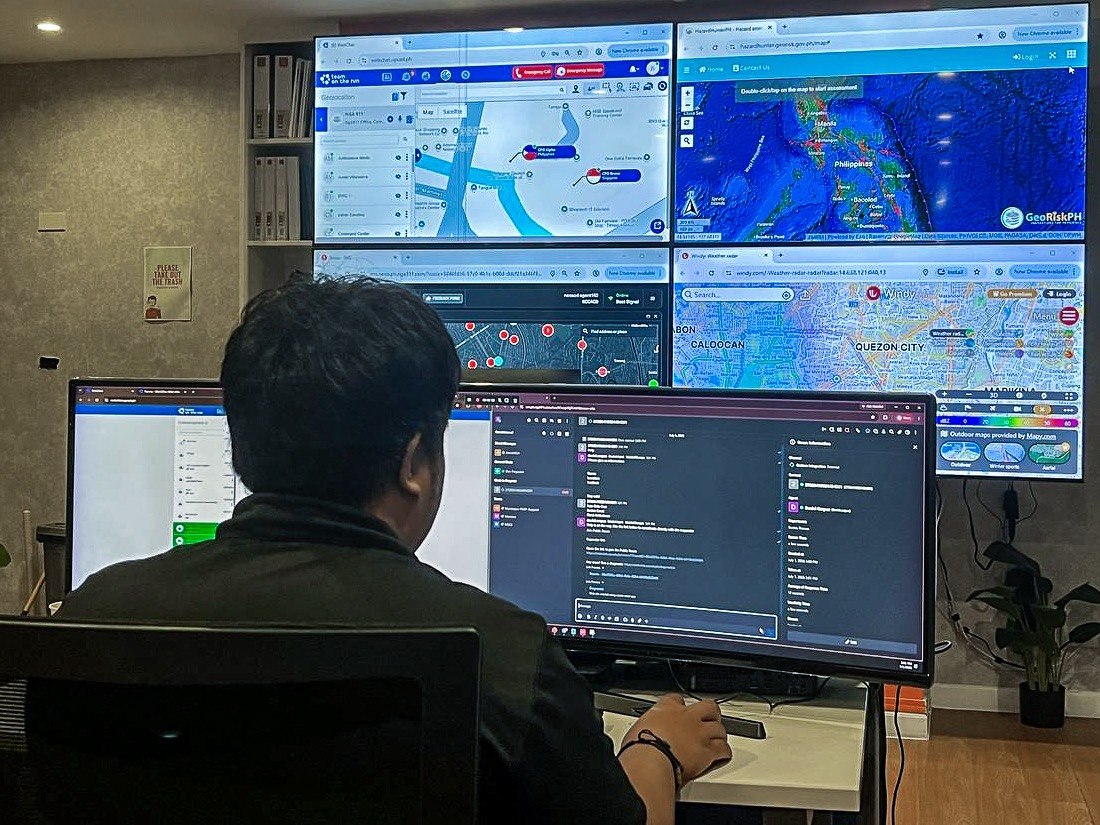
At the heart of the upgrade is the NEXiS Connect platform, which automatically translates emergency calls from supported foreign languages into English or Filipino in real time, allowing dispatchers to assess situations and coordinate assistance without relying on interpreters. The system currently supports Spanish, Italian, German, French, Filipino and English, with additional languages planned.
“Safety is a primary factor for global travelers,” said Robert Llaguno, country head of NGA Philippines, the technology provider behind Unified 911. “Knowing that language barriers are eliminated by advanced AI removes the fear of being stranded during a medical issue or natural disaster while in the country. This makes the Philippines a more competitive, smart tourism destination.”
The enhanced platform also expands access through NEXiS Message, enabling users to contact emergency responders via Facebook Messenger and other messaging applications. Tourists can send text messages, photos, videos and location details without needing a local SIM card, while responses are automatically translated into their preferred language.
Beyond improving convenience, the AI-powered system is designed to shorten emergency response times by helping dispatchers quickly identify incidents and provide life-saving instructions. Its cloud-based architecture also allows emergency operations to continue even if local command centers are disrupted by natural disasters or other emergencies.
The rollout reflects a growing trend of integrating artificial intelligence into public safety services as governments compete to build smarter, more resilient cities. For the Philippines, where tourism remains a key economic driver, strengthening emergency communications could enhance visitor confidence while reinforcing the country’s reputation as a safe and technology-enabled destination for international travelers and investors alike.