What began as a small startup serving three cities in Rizal has evolved into one of the Philippines’ biggest business-to-business technology platforms for sari-sari stores, underscoring how digital tools are reshaping the country’s oldest retail network rather than replacing it.
As Growsari marks its 10th anniversary, the homegrown company says it now supports hundreds of thousands of neighborhood retailers nationwide through a digital ecosystem that simplifies procurement, expands financial access and creates new income opportunities for small store owners.
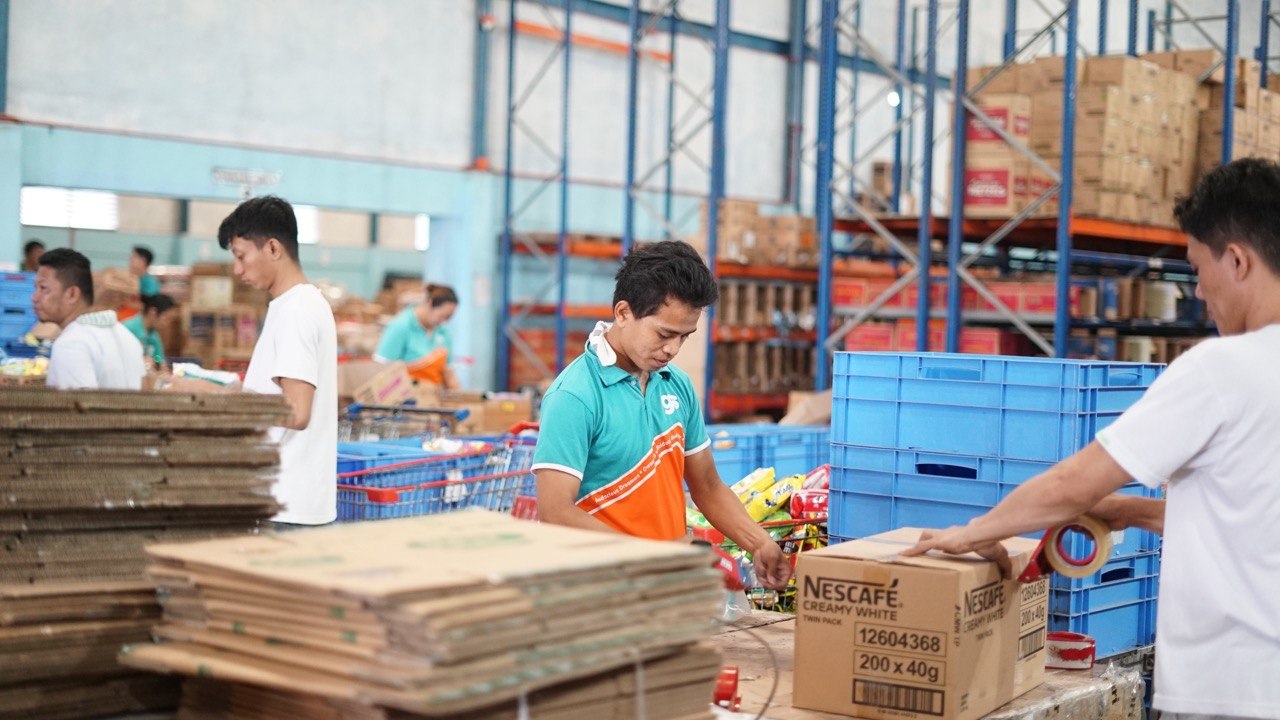
Founded in 2016, Growsari set out to solve one of the biggest pain points of sari-sari stores: fragmented supply chains. Its platform gives retailers access to competitively priced inventory with free doorstep delivery while offering digital services such as mobile load, bills payment, cash-in transactions and credit facilities. Those services have allowed many store owners to move beyond traditional retailing and generate additional revenue from financial transactions.
For Co-Founder and Chief Executive Officer ER Rollan, the company’s growth reflects the enduring strength of the neighborhood store itself.
“Years ago, people said sari-sari stores would disappear because of supermarkets and convenience stores. They underestimated the Filipino tindera,” Rollan said, noting that these stores continue to serve as trusted community hubs, often extending credit and supplying essential goods when families need them most.
Growsari’s expansion also mirrors the growing maturity of the Philippine startup ecosystem. The company has attracted backing from global investors including KKR, IFC and RRHI, demonstrating that technology-driven solutions focused on micro, small and medium enterprises can scale into significant businesses while addressing longstanding gaps in the domestic economy.
Rather than disrupting sari-sari stores, Growsari has built its business around making them more competitive in an increasingly digital marketplace. As it enters its second decade, the company said it will continue investing in technology, financial services and logistics, betting that the future of Philippine retail still begins at the neighborhood corner store.