The Philippines has called for stronger regional cooperation to protect food security in the Asia-Pacific, citing rising risks from geopolitical tensions in the Middle East.
Speaking at the 38th session of the UN Food and Agriculture Organization (FAO) Asia-Pacific Regional Conference, Agriculture Secretary Francisco Tiu Laurel Jr. said disruptions in oil, gas, and fertilizer exports are already pushing up costs and affecting food supply chains.
The Philippines, along with several countries including Japan and Australia, pushed to include the impact of the 2026 Middle East conflict on food security in the conference agenda. Officials warned that higher energy and fertilizer prices are increasing farming and transport costs, leading to higher food prices.
In the Philippines, rising fertilizer costs are straining farmers during the planting season, while higher fuel prices are making food transport and fishing more expensive. These pressures may worsen with a possible stronger El Niño later this year.
The FAO also highlighted global supply chain vulnerabilities and urged coordinated policies to manage food and input price volatility.
To address the situation, the Philippines is rolling out measures such as fuel subsidies for farmers and fisherfolk, improved logistics, and investments in storage and post-harvest facilities. The government is also promoting alternative fertilizers and long-term strategies to strengthen agricultural resilience.
Officials emphasized the need for a broader approach to agriculture that includes income stability, nutrition, and rural development, alongside increased infrastructure investment and support for climate-resilient farming.
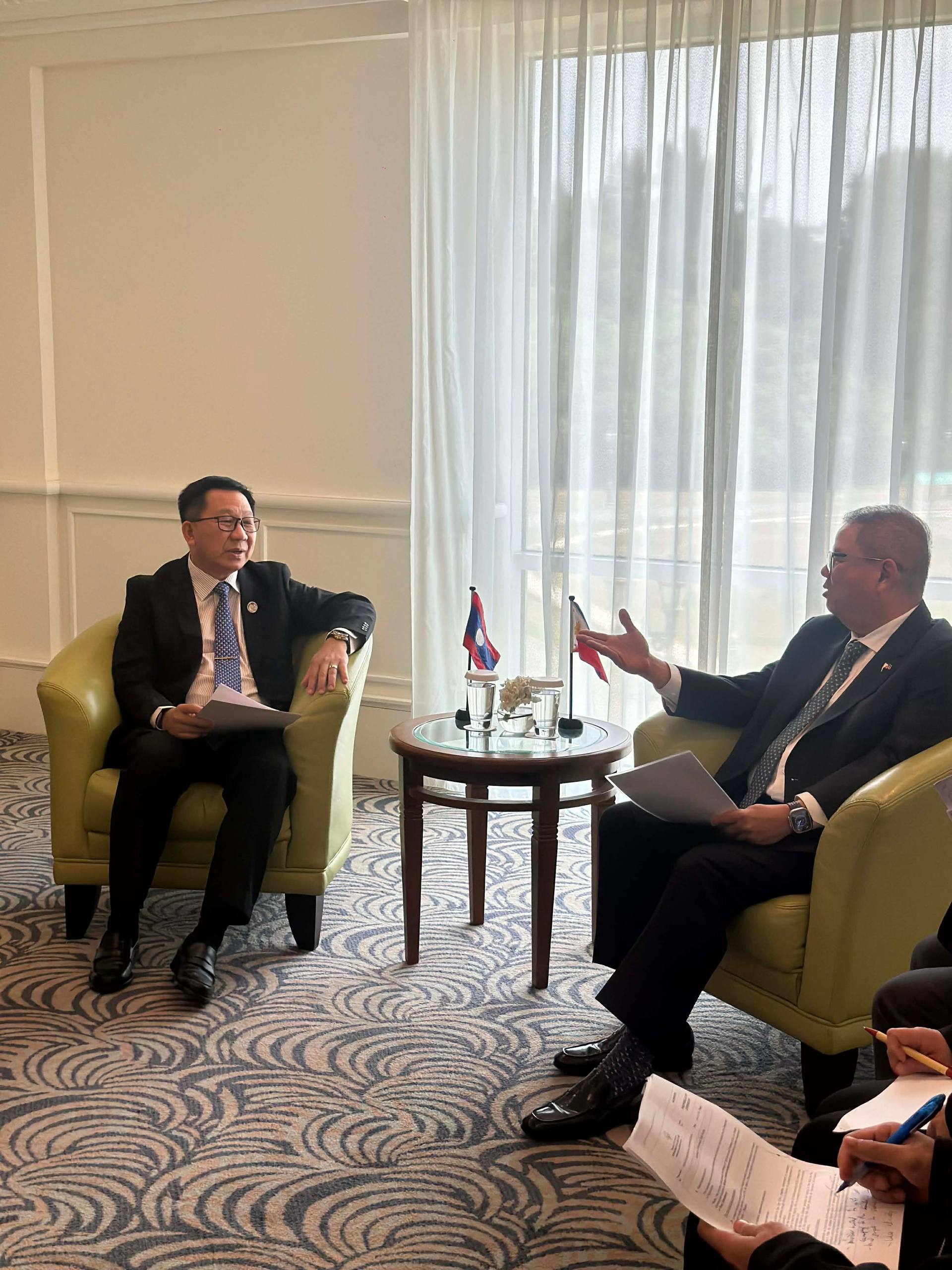
On the sidelines of the conference, the Philippines held talks with Laos and Vietnam to boost agricultural cooperation and trade.
The FAO regional conference brings together 46 member countries to coordinate policies on food security and agriculture. The next meeting will be hosted by Laos in 2028.