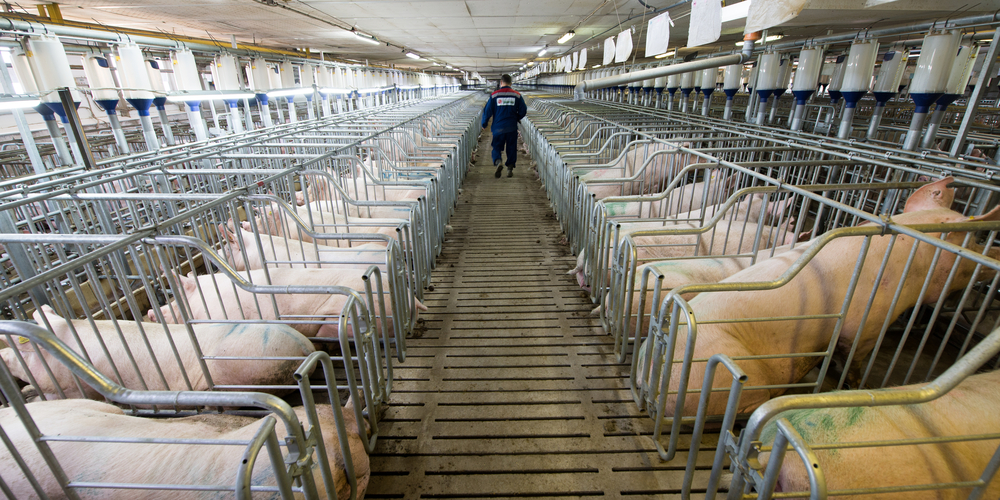
Hog production posted a strong recovery in the first quarter, signaling improving industry conditions after two straight years of contraction, although falling farmgate prices suggest supply pressures and cautious consumer demand continue to weigh on the sector.
Data from the Philippine Statistics Authority showed hog production from January to March reached 428,920 metric tons, liveweight, up 6.4 percent from 403,190 metric tons in the same period last year. The rebound marked a turnaround for the domestic swine industry, which has been struggling with the lingering effects of African swine fever, rising feed costs, and supply disruptions in recent years.
Industry growth was driven largely by key producing regions led by CALABARZON—short for the area comprised of the provinces of Cavite, Laguna, Batangas, Rizal, and Quezon, which accounted for 15.8 percent of total output with 67,870 metric tons. Other major contributors were Northern Mindanao, Central Luzon, Central Visayas, and the Davao Region. Together, the five regions produced nearly 58 percent of the country’s hog supply during the quarter.
CALABARZON also posted the largest increase in output, expanding by 10.51 thousand metric tons year on year, underscoring the region’s continuing dominance in the industry.
Despite higher production, the country’s swine inventory declined by 1.5 percent to 8.70 million heads as of end-March, indicating that recovery remains uneven. Smallhold farms continued to dominate the sector, accounting for 78.5 percent of the total swine population, highlighting the industry’s dependence on backyard raisers that remain vulnerable to disease outbreaks and volatile feed prices.
Meanwhile, average farmgate prices of hogs for slaughter fell 16.1 percent to P176.03 per kilogram from P209.83 a year earlier, reflecting improved supply conditions and easing inflationary pressures on pork prices.