



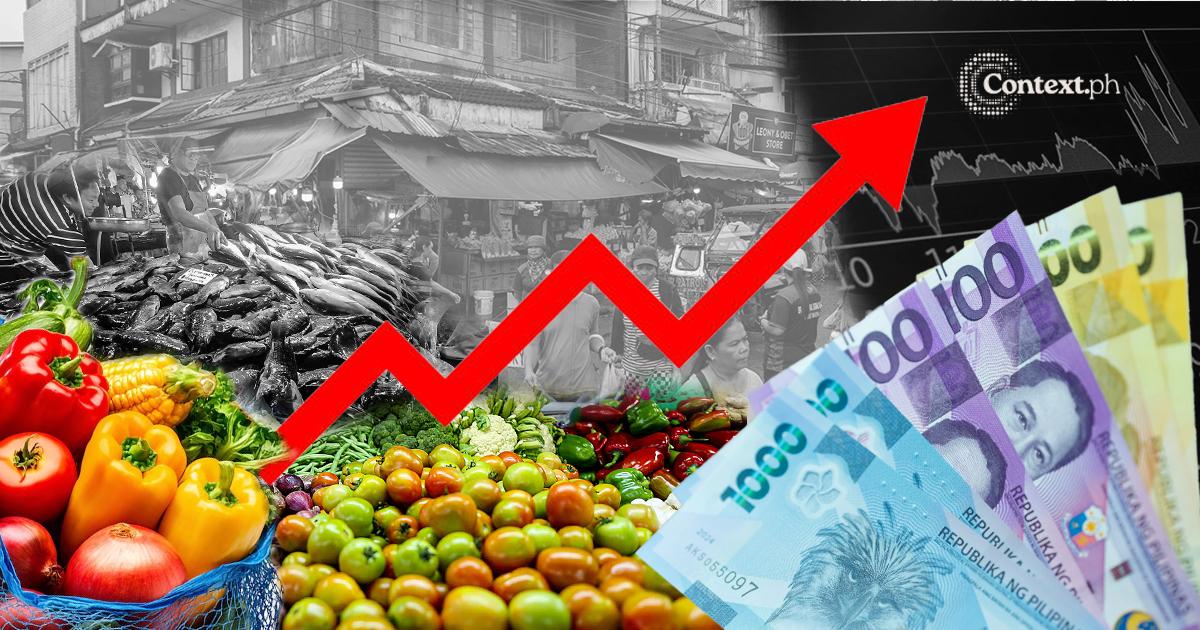
The Bangko Sentral ng Pilipinas forecasts inflation for May between 7.1 and 7.9 percent, driven mainly by costlier rice, vegetables, and meat, plus a weaker peso. These increases are partly offset by lower fuel prices, cheaper fish, and slightly reduced electricity rates. The outlook follows a sharp jump in April inflation to 7.2 percent from March’s 4.1 percent—marking the fastest pace since March 2023 and exceeding both market expectations and the central bank’s earlier forecast of 5.6–6.4 percent. April’s surge was fueled by steep early-month oil price hikes linked to tensions in Iran, before rates eased later in the month. Transport costs rose sharply to 21.4 percent, while prices climbed across all major spending categories including food, housing, utilities, and household goods. Month-on-month, consumer prices rose 2.6 percent—the biggest jump since 1996—and core inflation also picked up to 3.9 percent. For businesses, higher and faster-than-expected inflation raises operating costs, squeezes profit margins, and may lead to tighter credit conditions if policy rates are adjusted further. For households, the broad price increases reduce purchasing power, especially for food, transport, and utilities, making basic goods and services less affordable and putting pressure on family budgets. This trend signals persistent price pressures that could shape government policies on price controls, subsidies, and monetary settings in the months ahead.






The latest
Sports & Entertainment
Paalam beats world champion, moves closer to Asiad gold
Carlo Paalam is one fight away from ending a 16-year wait for Philippine boxing gold at the Asian Games, after outboxing a reigning world champion on Wednesday.
Sports & Entertainment
Blu Girls blank Singapore, break into top 4
The Blu Girls are apparently developing a taste for abbreviated afternoons.
Banking & Insurance
Stronger bank lending and money supply expansion signal resilient economic momentum
The various banks accelerated their lending activity in August, driven by a steady demand for credit from key business sectors. Big banks expanded their loan portfolios by 11 percent year-on-year, picking up speed from the 10.4 percent growth recorded in July.
© 2026 Context.ph. All rights reserved.