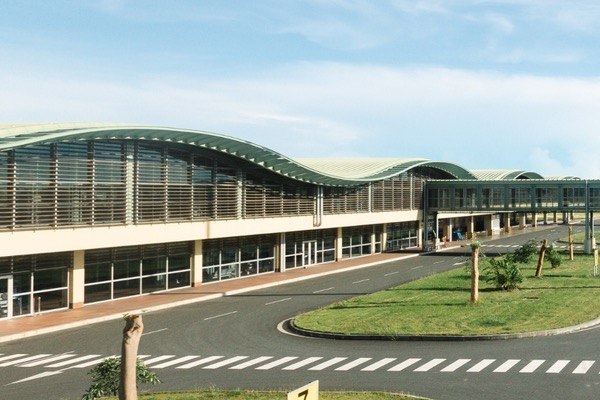
As the world marked World Environment Day on June 5, Bohol-Panglao International Airport (BPIA) showcased how eco-conscious infrastructure can drive both tourism and economic growth.
Opened in 2018 through a partnership between the Department of Transportation (DOTr), the Civil Aviation Authority of the Philippines (CAAP), and private partners, BPIA remains the country’s first eco-airport.
Designed to handle increasing passenger traffic while limiting environmental impact, it stands out as a model of sustainable aviation infrastructure in the Philippines.
The airport features roof-mounted solar panels, solar-powered water heating, and a terminal layout that maximizes natural light and ventilation—reducing energy consumption while creating a more welcoming environment for travelers.
Its 11-hectare property includes approximately 1,700 trees and landscaped green spaces, with environmental safeguards implemented to protect nearby coastal and marine ecosystems during construction.
BPIA General Manager Aldwin C. Uy emphasized that the airport was conceived not just as a gateway to Bohol but as a demonstration of long-term sustainability integrated into public infrastructure. “Sustainability isn’t an afterthought; it’s embedded in every aspect of the airport’s operations,” Uy said.
Beyond its green credentials, BPIA fuels Bohol’s tourism economy by connecting visitors to the province’s natural attractions and cultural sites, while supporting local businesses and communities.
Through its partnership with Aboitiz InfraCapital Bohol Airport Corporation, the airport continues to uphold these environmental and operational standards.
The collaboration between government and private stakeholders illustrates a broader lesson: green infrastructure can be both an economic driver and a tool for long-term environmental stewardship, offering lasting benefits for tourism, regional development, and future generations.