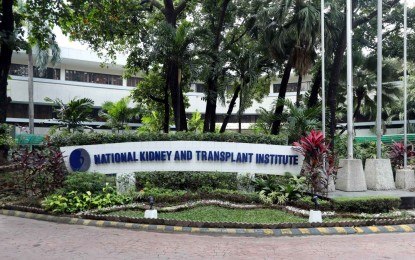
The National Kidney and Transplant Institute (NKTI) is on track to become Southeast Asia’s largest dialysis center after President Ferdinand R. Marcos Jr. ordered the accelerated completion of its new 13-story Hemodialysis Building, a project aimed at expanding access to specialized kidney care amid the country’s growing burden of chronic kidney disease (CKD).
During an inspection of the facility’s construction in Quezon City on Friday, Marcos described the project as a critical healthcare investment that will significantly increase the country’s dialysis capacity. Once operational before the end of 2027, the building will house 200 state-of-the-art dialysis machines, allowing NKTI to treat substantially more patients requiring regular life-saving therapy.
The expansion comes as CKD emerges as one of the Philippines’ fastest-growing chronic illnesses, with more than 11 percent of Filipinos estimated to be living with the disease. The rising prevalence has intensified pressure on both public hospitals and private dialysis centers, making investments in specialized treatment facilities increasingly urgent.
Marcos also highlighted parallel efforts to reduce out-of-pocket healthcare costs through expanded PhilHealth coverage. Annual benefits for hemodialysis have increased from 90 to 156 treatment sessions, while reimbursement per session has risen from P4,000 to P6,350. The enhanced Z Benefit Package now provides annual coverage of up to P500,140 for adult dialysis patients and as much as P1.2 million for pediatric cases.
The President noted that 904 PhilHealth-accredited dialysis centers are now operating nationwide, broadening access to kidney care beyond Metro Manila.
Taken together, the expanded insurance coverage and the NKTI project reflect a strategy of increasing both affordability and treatment capacity. While larger facilities alone will not curb the rising incidence of kidney disease, they are expected to shorten waiting times, improve access to specialized care, and lessen the financial strain on thousands of Filipino patients and their families.