The country’s cement makers are backing a tougher regulatory line on substandard products, arguing that stronger enforcement is about more than protecting the market—it’s about protecting the buildings and infrastructure that rely on every bag of cement.
The Cement Manufacturers Association of the Philippines (CeMAP) said recent government actions signal a welcome shift toward stricter quality enforcement, particularly as the country ramps up public infrastructure and private construction.
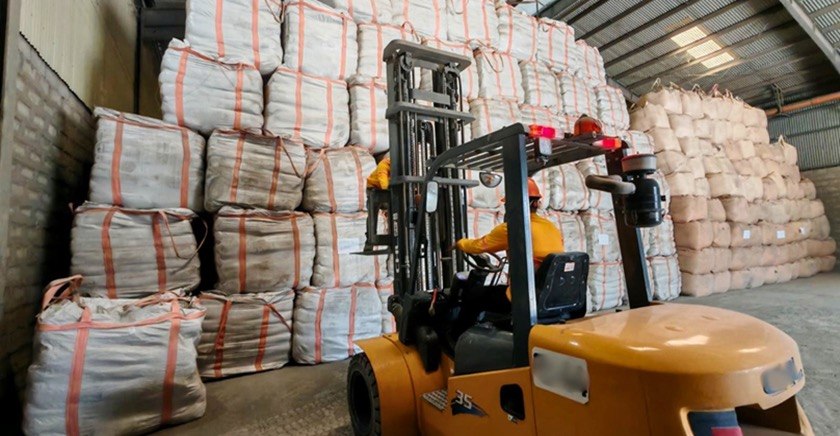
At the center of the industry’s support is the Department of Trade and Industry’s (DTI) order to destroy around 12,500 metric tons of substandard Portland Cement Type 1 worth about PHP60 million after laboratory tests found the shipment failed to comply with Philippine National Standard 07:2018.
CeMAP Executive Director Renato Baja said mandatory compliance with Philippine National Standards is non-negotiable for a product that serves as the backbone of homes, commercial buildings, bridges, and other critical infrastructure.
The association also welcomed DTI Memorandum Circular No. 26-02, which requires imported cement to undergo testing in the Philippines before entering the local market. The measure, it said, closes potential regulatory gaps while helping ensure imported products meet the same standards expected of domestic manufacturers.
For the construction industry, quality control carries broader economic implications. Inferior building materials can translate into higher maintenance costs, shorter infrastructure lifespans, and greater safety risks. Robust enforcement, by contrast, promotes fair competition while reinforcing confidence among builders, developers, and consumers.
CeMAP stressed that quality materials remain only one pillar of structural integrity, alongside sound engineering, proper design, and quality workmanship. But ensuring every bag of cement meets national standards is a critical place to start.
With regulators stepping up inspections and tightening compliance requirements, the industry believes the message is becoming harder to ignore: cutting corners on construction materials may save money upfront, but the long-term costs—to businesses, consumers, and public safety—are far higher.