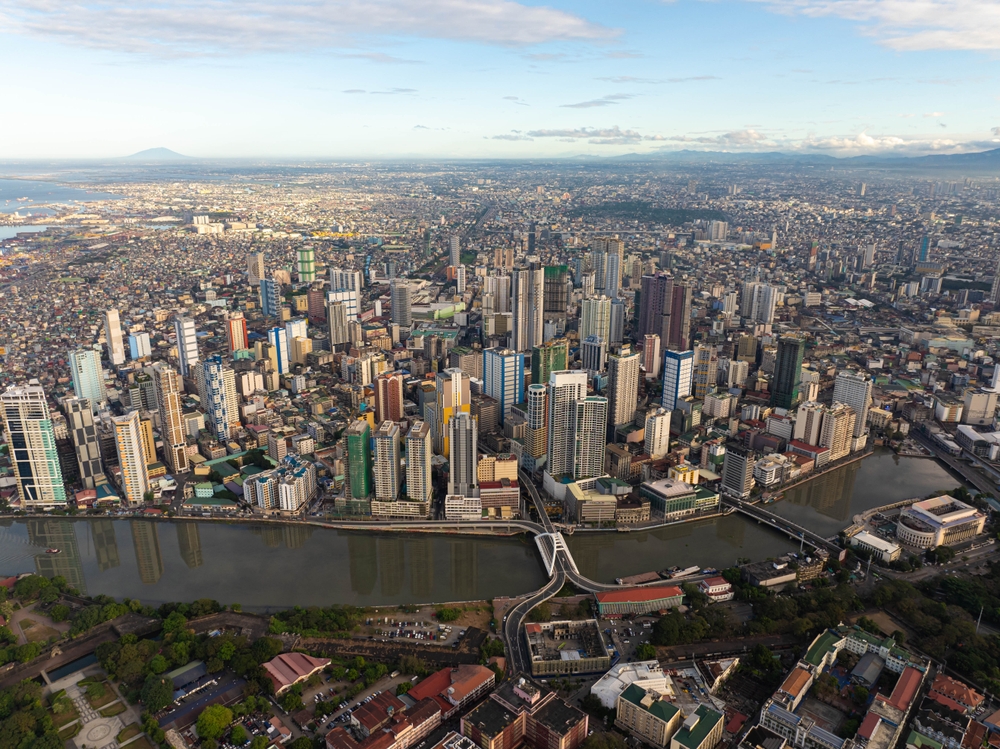
Residential property prices posted broad-based quarterly growth in the first quarter of 2026, with both the National Capital Region (NCR) and Areas Outside NCR (AONCR) contributing to the overall increase.
After three consecutive quarters of decline, property values in NCR rebounded, while AONCR recorded sustained price gains across several major metro areas. The recovery is reflected across both housing types: prices for both standalone houses and condominium units saw improved growth, signaling renewed momentum in the domestic residential property market.
Nationwide, the overall increase was primarily led by condominium units, while house prices registered more moderate advances.
However, this positive price trend coincides with a contraction in residential real estate loans across all regions and property categories. Data shows that demand for housing financing declined quarter-on-quarter, driven by continued consumer caution towards property purchases and tighter lending standards implemented by banks.
The Residential Property Price Index (RPPI) – the key measure tracking changes in housing prices, calculated from actual bank housing loan data – is closely monitored by the Bangko Sentral ng Pilipinas (BSP) to evaluate conditions in the real estate and credit markets.
The movement in property prices and lending activity carries significant implications:
For households, the rising prices affect affordability, while credit conditions determine access to housing financing.
For businesses and developers, market trends influence investment decisions and project planning.
Generally, loan demand patterns provide insights into consumer confidence and overall credit market health.