The Department of Transportation has approved 12 major rail projects valued at over $30 billion, marking a significant shift after decades of slow progress in the country’s transit sector. Undersecretary for Railways Timothy John Batan reported that seven of these major projects are currently under construction, one is finished, and six are slated to open within the next seven years. In a push for environmental sustainability, all 12 networks are designed as fully electric railway systems.
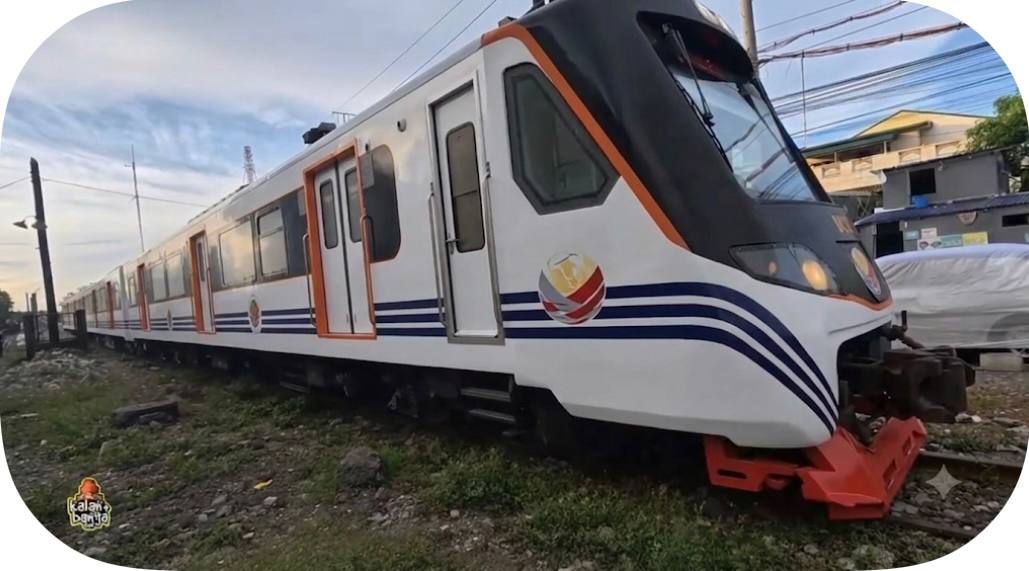
Among the high-profile developments is the MRT-7, a 24-kilometer elevated railway linking Metro Manila to growing northern communities, which is now 87 percent complete and targeted for launch in the first half of next year. The country is also building its first underground transit line, the 33-kilometer Metro Manila Subway, which will feature 17 stations and carry over 500,000 daily commuters. An even larger network, the North South Commuter Rail Project, is projected to transport roughly 800,000 passengers each day once it is fully operational. Other approved lines pushing the expansion forward include the LRT Line 2 East and West Extensions, the LRT Line 1 Cavite Extension, multiple NSCR extensions, the Mindanao Rail Project Segment 1, the South Long Haul project, and the MRT4.
This infrastructure push has drawn substantial global interest, with the government receiving 166 bids from 137 companies across 15 countries. Over the past decades, the transport department has awarded 57 rail contracts to more than 40 international firms, maintaining an average contract value of about $400 million. To ensure these investments meet strict international standards for financial bankability, risk management, and sustainability, transportation officials are working closely with global bilateral and multilateral partners, including the Japan International Cooperation Agency, the Asian Development Bank, and the World Bank.