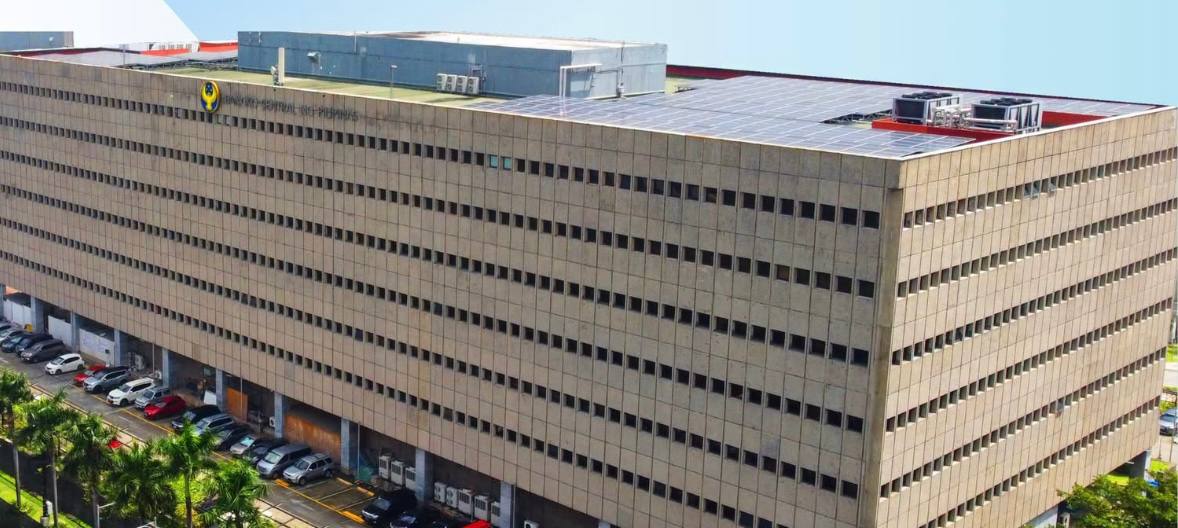
Foreign direct investments flowing into the country slowed during the first five months of 2026, marking a notable drop compared to the same period last year. According to the Bangko Sentral ng Pilipinas, the overall decline in net inflows was primarily dragged down by lower intercompany borrowings and a drop in corporate earnings retained by foreign firms for reinvestment. While fresh equity capital placements actually saw an uptick, these gains were not enough to offset the sharper pullbacks in foreign debt financing and reinvested capital.
This dip carries clear economic weight for the broader financial system. Foreign direct investment serves as a vital fuel for economic growth, funding infrastructure, physical expansion, and long-term operations. When non-resident corporations reduce their reinvestment and lower intercompany lending, it signals a more cautious approach from global investors navigating higher financing costs and economic uncertainty. Less foreign capital entering the financial system can put pressure on the country’s balance of payments, influence local interest rates, and slow down capital accumulation across key productivity channels.
For ordinary households and local businesses, the impact will likely be felt in job creation, income growth, and commercial activity. When foreign firms hold back on expansion and reinvestment, fewer new employment opportunities are created, which can flatten wage growth over time. Local suppliers and small businesses that rely on supply contracts with multinational operations may see reduced order volumes or delayed expansion plans. Furthermore, reduced foreign investment can temper consumer confidence, as slower corporate activity directly affects household earnings and overall local spending power.
Despite the top-line decline, underlying confidence remains in key structural sectors. The new equity capital that did enter the country between January and May 2026 was driven chiefly by foreign investors from Japan, the United States, and Singapore. These strategic capital injections, the BSP said, were channeled heavily into manufacturing, financial and insurance services, and real estate, demonstrating that major foreign players continue to view core Philippine industries as viable long-term destinations for direct equity.