Topline Group of Companies is positioning for sustained energy demand growth as it expands its fuel retail network, quadruples storage capacity, and builds a more integrated supply platform across the Visayas.
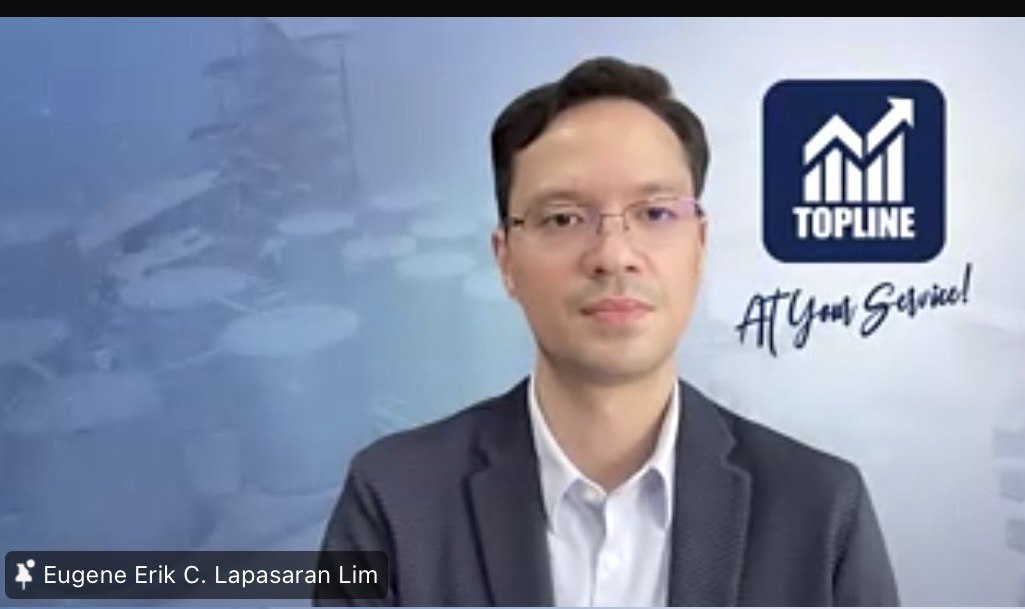
President and CEO Eugene Erick Lim said the company remains bullish on demand from industrial users, transport operators, and retail customers as economic activity and energy consumption continue to grow.
“We hope to have more bullish results in the next couple of years,” Lim said, pointing to energy security as a key driver of the company’s expansion.
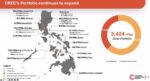
Topline is pushing beyond Cebu into Negros, Siquijor, and Ormoc while rebranding existing stations under its Light Fuels network. The network currently has 50 stations, with 18 operating and 28 undergoing rebranding. The company aims to have all 50 stations operational by end-2026.
The retail expansion is being matched by a major increase in storage capacity. Topline plans to raise depot capacity from 10 million liters to 40 million liters, adding 30 million liters partly funded through its preferred share offering.
The fourfold increase could give the company greater flexibility in managing supply and supporting higher sales volumes, while its vertically integrated model, spanning fuel imports, storage, commercial distribution, and retail, is expected to generate further supply-chain efficiencies as operations scale.
Topline is also preparing for changes in the energy mix. Chief Operating Officer Brigitte Lim said electric vehicle charging could complement the company’s fuel stations by giving customers more services while the transport sector gradually shifts toward electrification.
The strategy reflects a broader view of energy demand, rather than a bet on a single fuel source. As the Philippine economy and population expand, Topline expects demand for conventional and emerging energy products to remain strong.
“We still see a lot of bullish demand in the next couple of years,” Eugene Lim said, signaling confidence that the company’s growing network and infrastructure can capture the next wave of regional energy consumption.