Scam Watch Pilipinas is urging the Department of Information and Communications Technology (DICT) to use the Philippines’ 2026 ASEAN Chairship to build a united regional framework for holding major technology companies accountable for harmful content, scams, and other online threats.
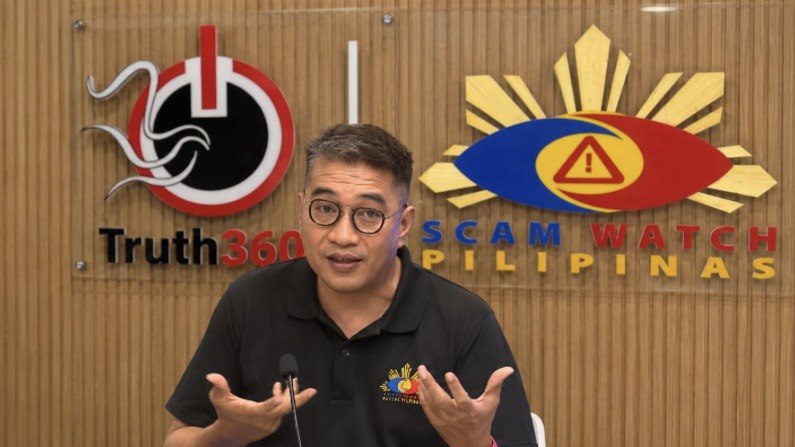
Scam Watch Pilipinas Co-Founder and Lead Convenor Jocel de Guzman said DICT Secretary Henry Aguda should make digital sovereignty a priority regional agenda, arguing that Southeast Asian governments would have greater leverage negotiating with Big Tech as a bloc than individually.
“For too long, countries like the Philippines have been dealing with the world’s biggest technology companies individually,” De Guzman said, noting that governments often have limited jurisdiction and enforcement reach when platforms fail to act on scam advertisements, fake accounts, or harmful content.
He said outright blocking should not become the default response when platforms refuse to cooperate.
“The better solution is to strengthen the ability of governments to regulate these companies, compel cooperation and hold them accountable when they repeatedly fail to act,” he said.
De Guzman cited the European Union’s Digital Services Act and Digital Markets Act as potential models, while stressing that ASEAN should develop rules suited to the region’s own digital markets.
He also pointed to differences in product and service availability across Southeast Asia as evidence that individual markets can have limited leverage with global technology companies.
“ASEAN changes that equation. Nearly 700 million people acting as one regional market is very different from individual governments asking Big Tech to cooperate one country at a time,” De Guzman said.
Scam Watch Pilipinas proposed an ASEAN Big Tech Accountability Framework covering major platforms operating across the region.
The framework could establish regional representation for major platforms, response timelines for government requests involving scams and harmful content, greater transparency in digital advertising and content moderation, stronger safeguards for children and vulnerable users, systemic-risk assessments, and penalties for persistent non-compliance.
“This is not about controlling the internet. It is about restoring balance,” De Guzman said.
“If Big Tech wants access to nearly 700 million ASEAN consumers, accountability to those same consumers cannot be optional.”