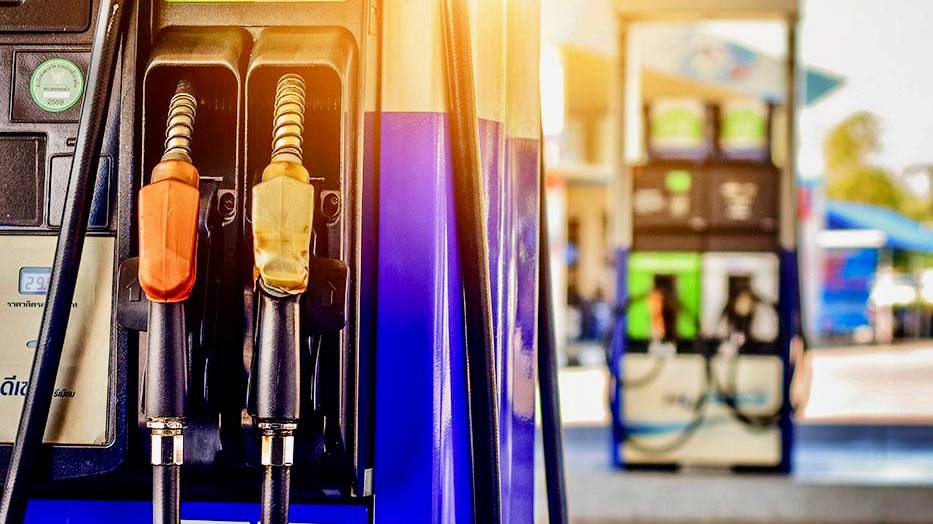
Fuel prices willl see mixed adjustments for the fourth week in a row, taking effect Tuesday morning, October 27. Gasoline will go down by P0.30 per liter, while diesel rises P1.20 per liter and kerosene goes up by P0.50 per liter, as confirmed by major suppliers including Petron and Seaoil, following the Department of Energy’s announcement Monday.
These changes come on the heels of last week’s larger shifts, when gasoline dropped P4.30 and kerosene fell P1.00, while diesel climbed P2.60 per liter. DOE data shows that from October 13 to 19, fuel prices in Metro Manila averaged P87.90 for regular gasoline, P91.40 for diesel, and P124.40 for kerosene—far higher than levels seen before the Middle East conflict, when regular gasoline averaged only P53.00, diesel P60.79, and kerosene P84.67 back in late February to early March.
For households, the slight dip in gasoline offers small relief for personal vehicles and daily commutes, but the steeper rise in diesel and kerosene hits harder. Diesel powers public transport, delivery fleets, and most delivery and logistics services, meaning higher transport costs could eventually push up prices of food and other essentials. Kerosene, used by many low-income families for cooking and lighting, becoming more expensive directly tightens household budgets. Businesses, meanwhile, face higher operating costs from fuel for deliveries, generators, and transport, which may squeeze margins or be passed on to consumers.
Energy Secretary Sharon Garin assured the public Monday that the country’s fuel supply remains stable at around 53 days’ worth of stock. She noted the government is actively securing more sources worldwide—including Australia, South America, North America, the United States, Canada, Russia, and ASEAN neighbors—strengthened further by the Philippines’ current chairmanship of the regional bloc. Officials are also in discussions with Middle Eastern nations to use their storage facilities temporarily while the country builds up its own fuel storage capacity, to better buffer against future price swings and supply disruptions.