The Department of Environment and Natural Resources has launched a country‑wide ecosystem restoration program designed to soften the blow of prolonged dry heat expected under a super El Niño event forecast to last from late this year through the first half of 2027.
Environment Secretary Juan Miguel Cuna said the initiative targets key natural sites including wetlands, rivers and coral reefs, which serve as critical safeguards for communities facing very strong El Niño conditions, with the harshest dry period seen running November to April. According to state weather bureau PAGASA, the coming El Niño event is expected to reach super status during that window.
Cuna explained that healthy, functioning ecosystems act as natural buffers against extreme heat, and safeguarding these spaces is key to protecting both local populations and long‑term environmental health. He noted that early action has already yielded tangible results, including the removal of nearly 100 metric tons of waste from Manila Bay tributaries, ongoing preservation work in Agusan Marsh peatlands, and protection for heat‑stressed coral reefs in Masbate and Aurora.
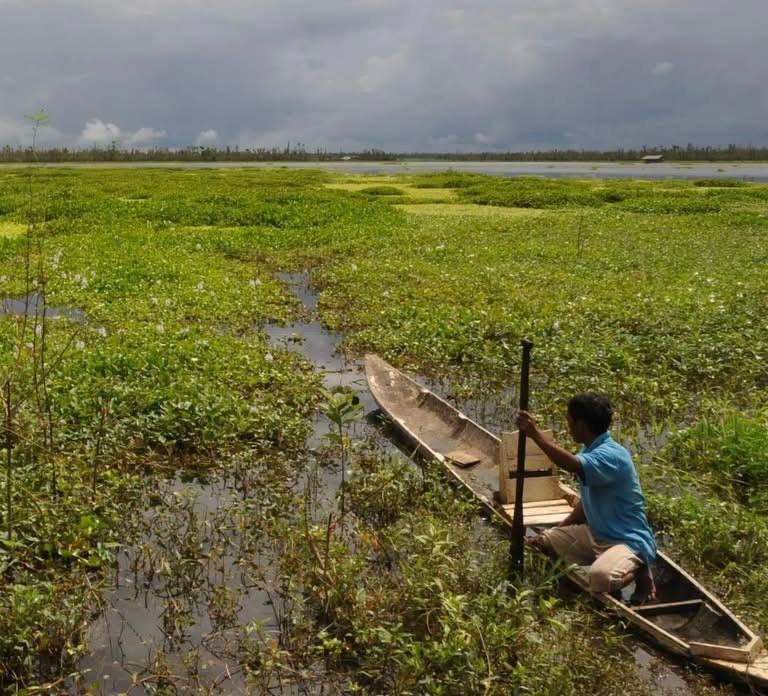
The program marks a broader policy shift toward ecosystem‑based adaptation, where natural landscapes are strengthened to help absorb and reduce climate‑related hazards rather than relying only on built solutions. Across different regions, DENR offices have put these measures into practice. In Caraga, the Agusan Marsh Wildlife Sanctuary management team has stepped up protection for peatlands and freshwater wetlands — natural sponges that regulate water flow, store carbon and cool surrounding areas — through wet‑suited riparian reforestation and regular drainage checks to avoid unnecessary water loss.
In the National Capital Region and Central Luzon, the Manila Bay Site Coordinating and Management Office has ramped up river cleanup and maintenance work under the existing Manila Bay Rehabilitation Initiative. Working alongside the Department of Labor and Employment’s DOLE‑TUPAD program, teams of River Rangers completed a 10‑day cleanup along Pampanga’s water channels, creeks and estuaries, clearing more than 98,600 kilograms of solid waste — roughly 15,200 sacks — from riverbanks and trash traps. Officials said clearing debris helps keep waterways flowing freely even in dry weather, while reducing buildup along tributaries feeding into Manila Bay. Monitoring of water sources and river systems continues across Bulacan, Pampanga, Nueva Ecija, Bataan and Tarlac, with coordination ongoing between national agencies and local government units. Central Luzon staff are also tracking marine heat stress in coastal waters of Aurora, Bataan and Zambales to support fisheries protection amid rising sea temperatures.
In the Bicol Region, DENR teams have flagged shallow coral zones and seagrass beds in Mobo and San Jacinto as high‑risk areas for heat damage. Field workers conduct bi‑weekly monitoring for coral bleaching and fish kills, sharing updates with partner agencies for coordinated response. Additional on‑ground steps include clearing blocked waterways to maintain seawater circulation for mangrove forests, setting temporary restrictions on boat anchoring and resource gathering in heat‑affected reef zones, and holding information sessions for fisherfolk and community members about how high temperatures harm marine life.
DENR officials said the nationwide restoration framework establishes a standard approach for climate preparedness, placing healthy ecosystems at the center of national efforts to help Filipino communities withstand and recover from increasingly intense weather events linked to climate change.