Ice cream is no longer just about satisfying a sweet tooth. For a growing number of consumers, what’s written on the label now matters almost as much as what’s inside the cup.
As households become more selective about spending, many are trading big-ticket luxuries for smaller indulgences that promise better quality rather than bigger portions. That shift is reshaping the dessert aisle, where shoppers increasingly scrutinize ingredients, sourcing and production methods before taking a bite.
According to Innova Market Insights’ 2025 Global Clean Label Trends report, nearly three in four consumers now read ingredient labels before making food purchases, while 58 percent say it is important to know where ingredients come from. The trend has fueled demand for “clean-label” desserts made with recognizable ingredients and fewer artificial additives.
The movement reflects a broader change in consumer behavior. Instead of eating less dessert, many people are choosing desserts they perceive as more authentic, transparent and carefully made.
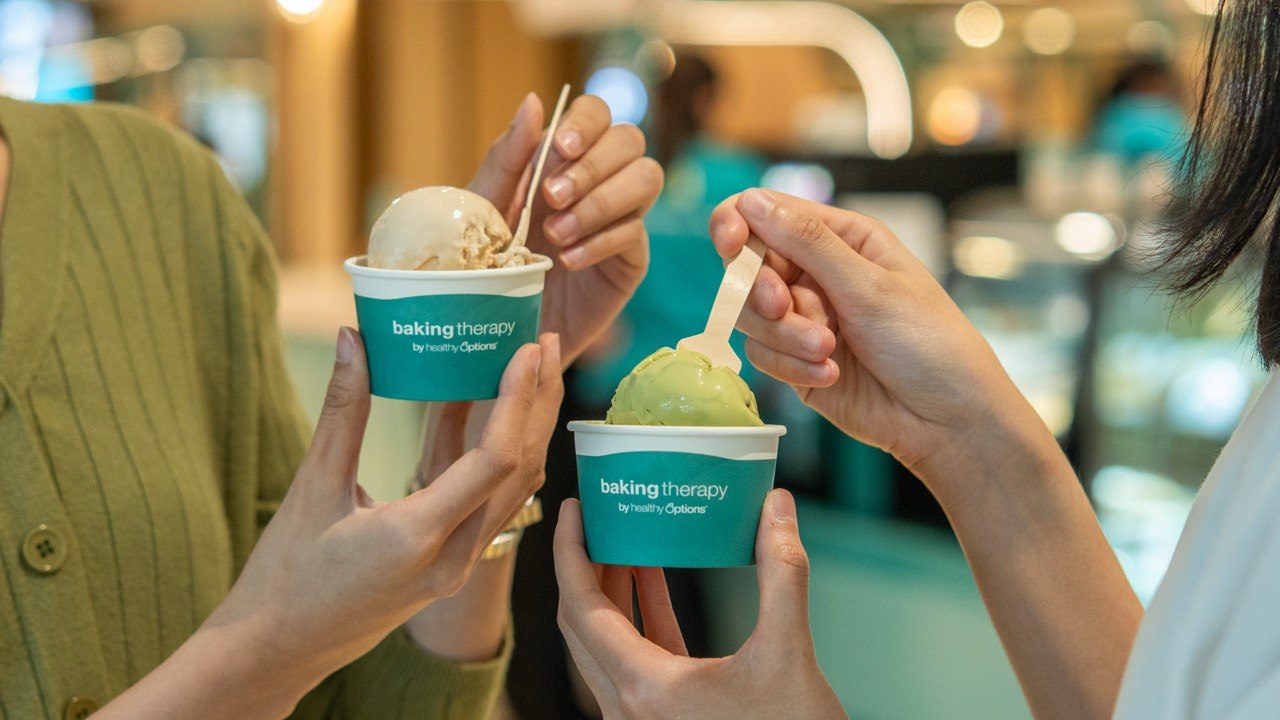
Businesses are beginning to respond. Healthy Options recently expanded its Baking Therapy concept with a line of artisanal gelato and sorbet at its Shangri-La Plaza branch, reflecting the growing appetite for premium desserts built around ingredient provenance rather than novelty. The collection features locally sourced ingredients such as Davao mangoes, Batangas kapeng barako and Philippine cacao alongside imported Italian hazelnuts, California pistachios and Japanese matcha. “People aren’t simply looking for dessert—they’re looking for ingredients they can trust,” said Healthy Options Managing Director Romy Sia, summing up a shift that is increasingly reshaping the premium food market.
That philosophy also explains gelato’s growing appeal. Unlike conventional ice cream, gelato contains more milk, less cream and less air, creating a denser texture that allows the natural flavor of its ingredients to shine instead of relying on artificial flavorings or elaborate mix-ins.
Industry observers say transparency has become part of the dining experience itself. Consumers increasingly want to know not only how food tastes, but where its ingredients were grown, who produced them and how they reached the table.
In an era when lavish dining experiences often come with hefty price tags, a thoughtfully crafted scoop of gelato has become an attainable luxury—proof that today’s indulgence is measured less by extravagance than by authenticity.