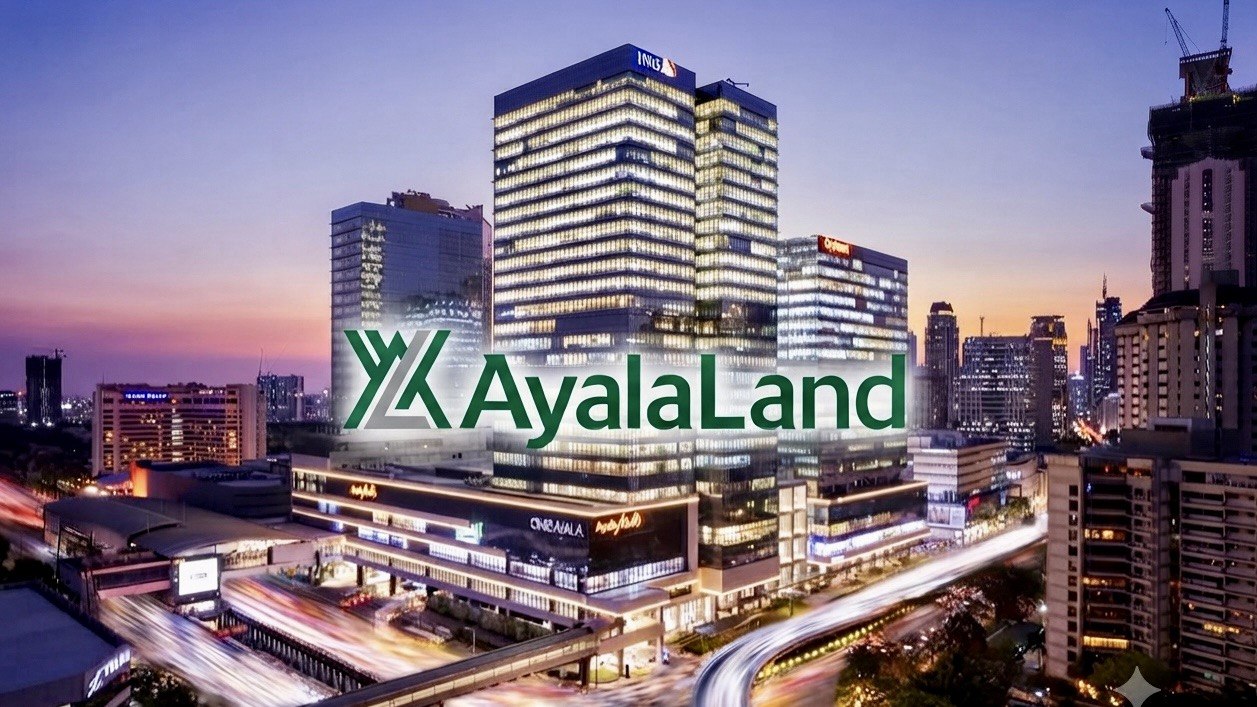
Ayala Land Inc. is leaning harder on malls, offices, hotels, and other recurring-income businesses as softer property development demand pushes the real estate giant to rebalance its growth engine.
Leasing businesses accounted for 35 percent of ALI’s revenues in the first half of 2026, up sharply from 29 percent a year earlier, underscoring their growing importance as residential and estate lot sales weakened.
ALI Chief Financial Officer and Treasurer Jose Eduardo A. Quimpo II said the company expects leasing to play an even larger role as new commercial and hospitality projects come onstream.
ALI reported P75 billion in revenues for the six months, down 10 percent year on year, while net income fell 19 percent to P11.5 billion. Property development revenues dropped 22 percent to P41 billion.
Leasing and hospitality, however, moved in the opposite direction. Commercial leasing revenues rose 9 percent to P25.2 billion, while hospitality revenues jumped 28 percent to P6.3 billion.
The shift gives ALI a steadier earnings base while it waits for property development conditions to improve.
A key part of that strategy is AREIT Inc., the company’s listed real estate investment trust and a vehicle for recycling capital from mature assets into new projects.
ALI’s board has approved the infusion of P20 billion worth of malls and hotels into AREIT, subject to shareholder and regulatory approvals. The transaction would lift AREIT’s assets under management to P179 billion, representing a 35 percent compound annual growth rate since its 2020 initial public offering.
“AREIT has been an effective capital recycling tool that supplements our operating cash flow,” Quimpo said.
The capital unlocked from the transaction will be deployed into ALI’s leasing portfolio and commercial pipeline, while AREIT’s public shareholders gain exposure to the earnings of the contributed assets.
The strategy also reflects a broader shift in ALI’s capital allocation. Leasing and hospitality are expected to account for more than a third of capital expenditures as new projects are completed.
With net gearing at a manageable 0.8 times, ALI retains room to fund expansion.
The numbers suggest that while property development remains central to ALI, the more durable growth story may increasingly be found in the recurring cash flows generated after the buildings are sold, leased, or opened.