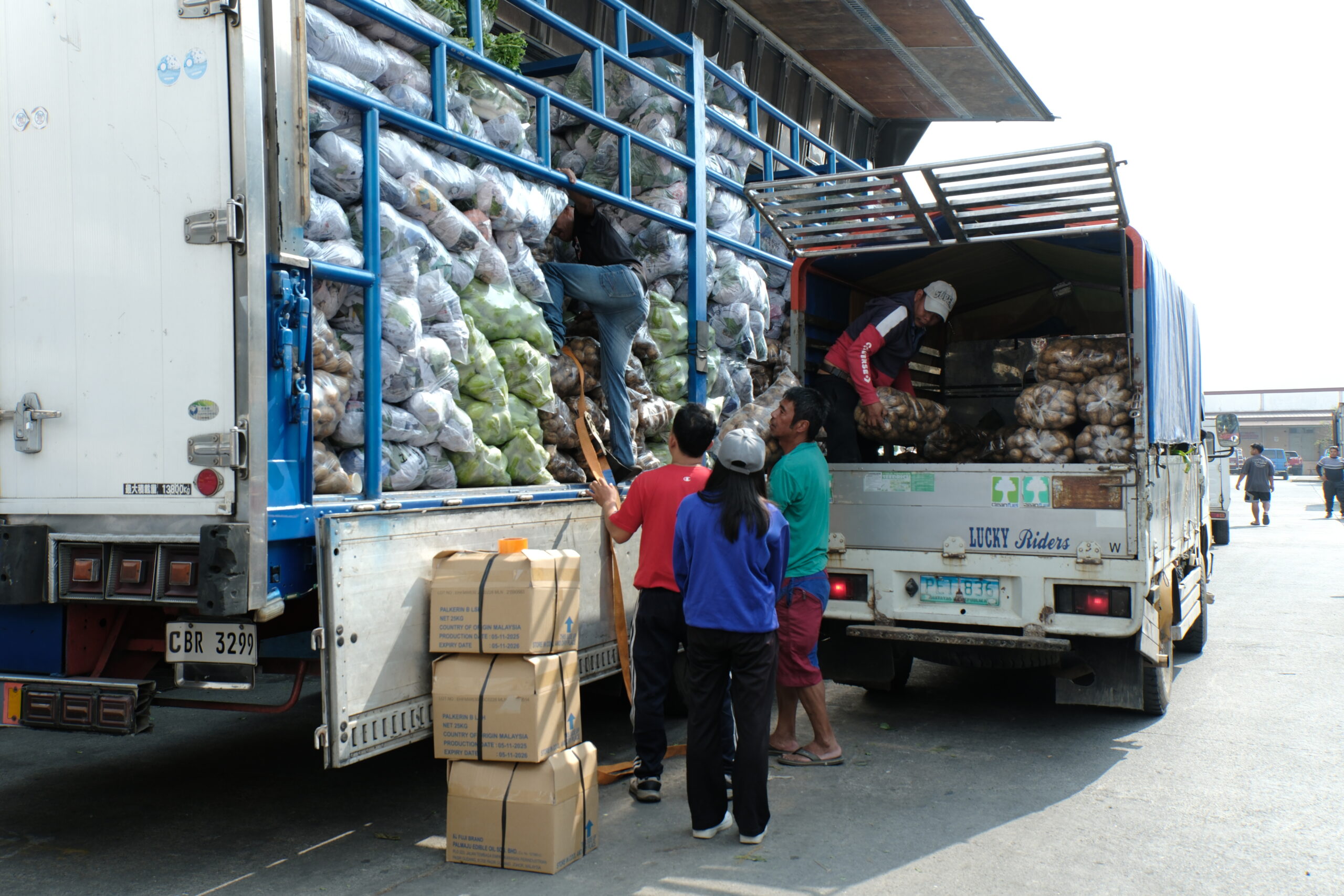
The Department of Agriculture (DA) has reactivated and expanded its “food lane” program to ensure the smooth transport of agricultural goods and help keep food prices stable as the country deals with a declared national energy emergency.
The move follows Executive Order No. 110 issued by President Ferdinand R. Marcos Jr., which directs government agencies to respond to global fuel supply disruptions and limit their impact on consumers.
A key part of the program is the expanded Agri-Trucks Toll Free Program, which now gives full toll fee exemptions—not just rebates—to accredited trucks carrying agricultural products. The DA is working with the Department of Transportation and the Toll Regulatory Board to implement the policy across major expressways.
Officials said the goal is to lower transport costs for farmers, traders, and distributors, allowing food to move faster and more cheaply from farms to markets.
However, while more than 4,000 agri-truck operators are registered, only about 1,162 are currently accredited. The DA plans to increase participation by simplifying registration, allowing on-site enrollment, and speeding up approvals.
Agriculture Secretary Francisco P. Tiu Laurel Jr. said the program is important to prevent delays in food transport that could lead to higher prices and shortages, especially during fuel-related disruptions.
The DA also said approvals for applications can now be processed within the same day, with toll exemption activation completed within 24 hours. The system uses digital registration, QR codes, and RFID tags for faster verification at tollways like NLEX, SLEX, and Skyway.
The program will first focus on major agricultural routes in Luzon, including Central Luzon, CALABARZON, and the Cordillera, where large volumes of food are transported daily to urban centers.
Officials said the initiative is part of a broader government effort to protect food supply chains, reduce the impact of rising fuel costs, and keep food affordable despite global energy challenges.