The Aboitiz Group is rethinking the circular economy, arguing that the biggest sustainability gains will come not from building more recycling plants but from connecting businesses that can turn one company’s waste into another’s raw material.
Speaking at the 2026 Philippine Sustainability Now Forum in Makati City, Aboitiz Equity Ventures Chief Reputation and Sustainability Officer Ginggay Hontiveros-Malvar said the conglomerate is weaving its diverse businesses into a single circular ecosystem, allowing resources, materials and expertise to flow across industries instead of ending up in landfills.
“The future of circularity is not about building more recycling facilities. It is about building better business connections,” Hontiveros-Malvar said.
The strategy reflects a broader shift in corporate sustainability, where companies are increasingly pursuing circular business models that cut costs, reduce carbon emissions and unlock new revenue streams while addressing resource scarcity and climate risks.
For Aboitiz, the approach is already producing tangible results.
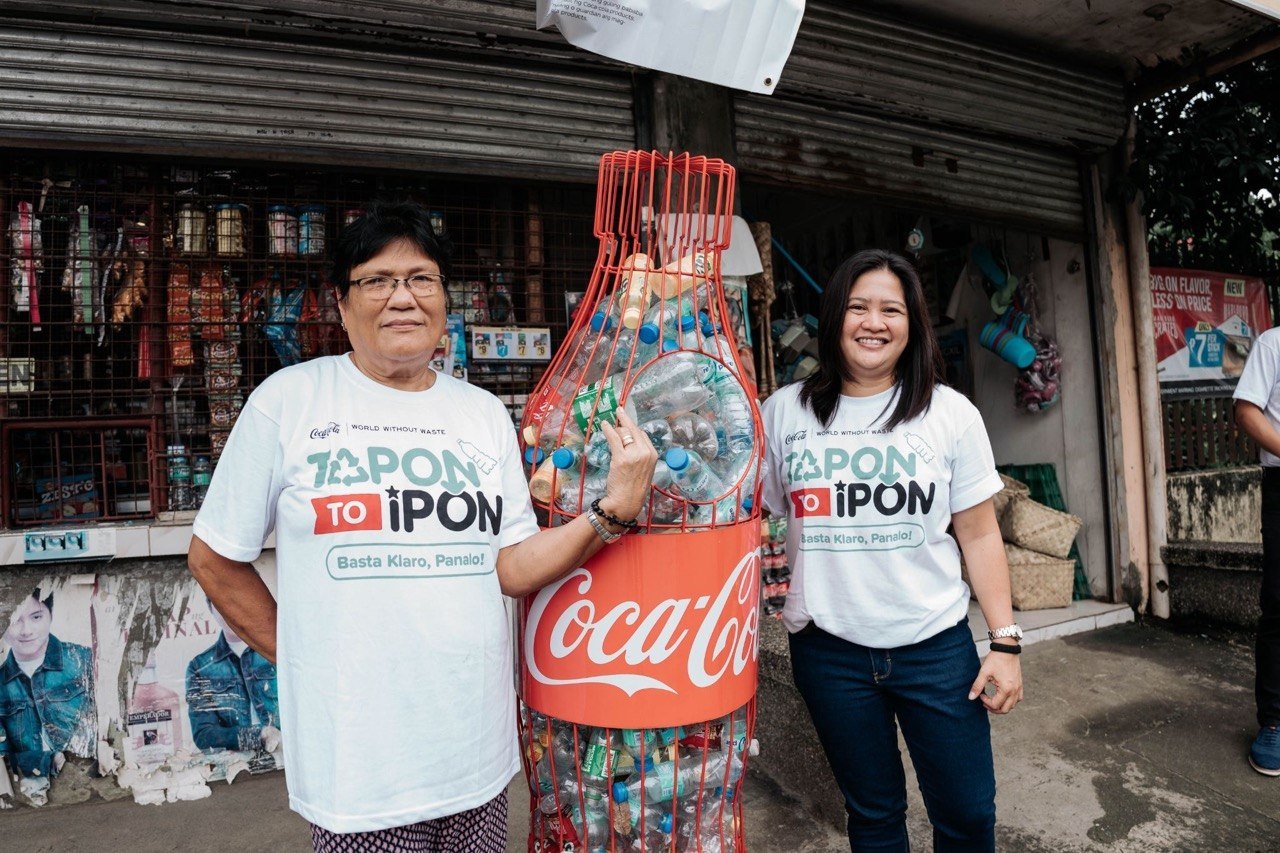
Working with Coca-Cola Europacific Aboitiz Philippines, Aboitiz Foods has helped divert more than 3,600 tons of plastic waste since the Extended Producer Responsibility law took effect in 2023. The recovered PET bottles are processed by PETValue Philippines into food-grade recycled resin, contributing to the production of one billion recycled beverage bottles in 2024.
Plastic that cannot be turned into new bottles is supplied to Republic Cement as an alternative fuel, helping divert more than 1.5 million metric tons of plastic waste from landfills while reducing the cement industry’s dependence on fossil fuels.
The circular strategy extends well beyond plastics. Aboitiz InfraCapital integrates water recycling, composting, materials recovery and renewable energy at LIMA Estate, while AboitizPower converts industrial by-products into productive resources. UnionBank complements the ecosystem through digital banking solutions that reduce paper use and expand sustainable financing.
“As the Philippines’ first techglomerate, we are creating value and helping industries become more sustainable by connecting businesses into one circular ecosystem,” Hontiveros-Malvar said.
The conglomerate now aims to knit these individual initiatives into a fully integrated circular economy model, strengthening both business resilience and its environmental credentials as investors place greater emphasis on sustainability performance.