The Philippines is poised to remain one of Southeast Asia’s top travel destinations in the second half of 2026 as travelers embrace smarter spending habits, favoring value, convenience and careful planning over impulsive vacations.
According to travel booking platform AirAsia MOVE, the Philippines ranks alongside Malaysia, Thailand, Indonesia and Japan as one of the region’s strongest destination markets for travel from July to December, reflecting resilient tourism demand supported by competitive fares and strong regional connectivity.
The latest booking data suggests travelers are not cutting back on trips despite economic uncertainties. Instead, they are becoming more selective about where and how they spend.
AirAsia MOVE found that average spending on flights is now about 35 percent higher than hotel spending, indicating that travelers are willing to pay more to reach their preferred destinations while saving on accommodations. Nearly three-fourths of hotel reservations are for three- and four-star properties, showing that comfort and value have become more important than luxury.
Timing is also playing a bigger role in travel decisions. Almost 40 percent of flight bookings are made between the 25th day and the fifth day of each month, aligning closely with salary cycles across many ASEAN markets. The trend points to travelers planning purchases around payday while booking well ahead to lock in better deals.
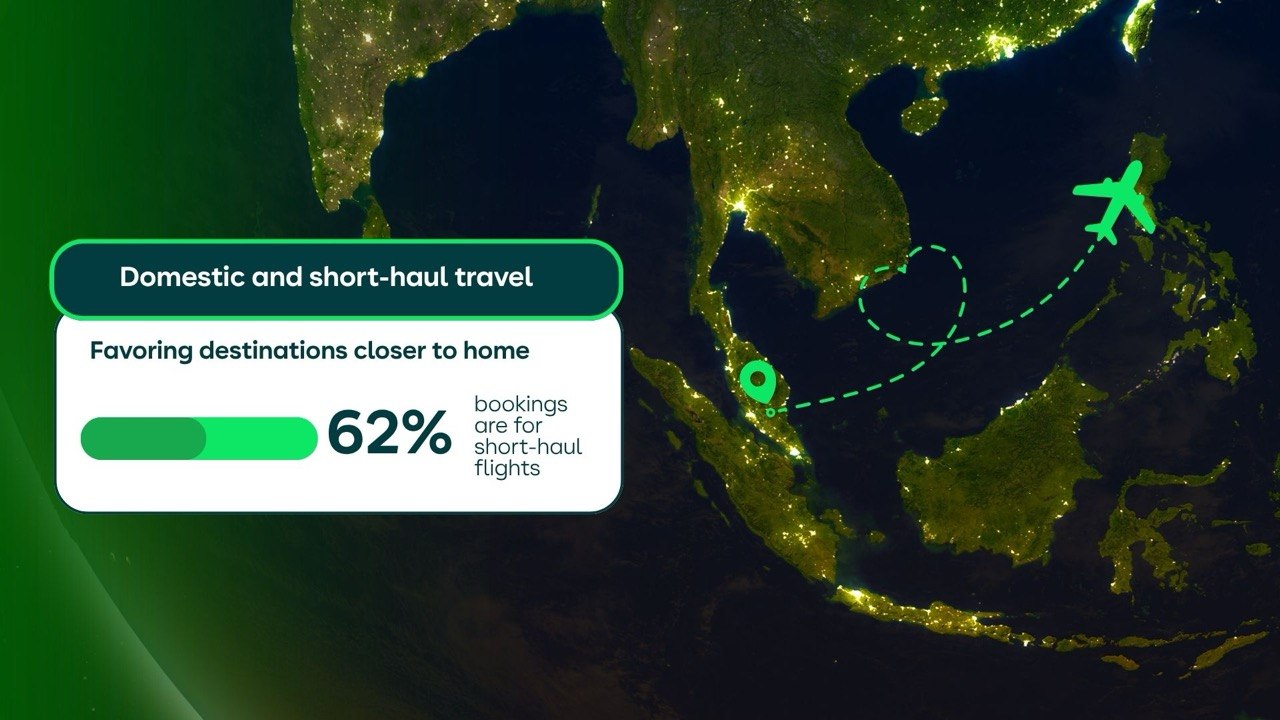
Short-haul international trips are also gaining momentum. Bookings for flights lasting less than four hours climbed 14 percent from a year earlier as travelers increasingly opt for quick regional escapes that stretch both their vacation time and travel budgets.
Confidence in future travel is also strengthening. More passengers are booking flights at least 120 days before departure, signaling greater certainty about travel plans and stronger demand through the remainder of the year.
Younger travelers continue to fuel the recovery. Millennials account for 43 percent of all bookings, while Gen Z represents another 23 percent, highlighting the growing influence of digital-savvy consumers seeking memorable experiences without overspending.
For the Philippines, the trend reinforces its position as one of ASEAN’s most competitive tourism destinations, benefiting from improving connectivity, attractive travel value and sustained regional demand.