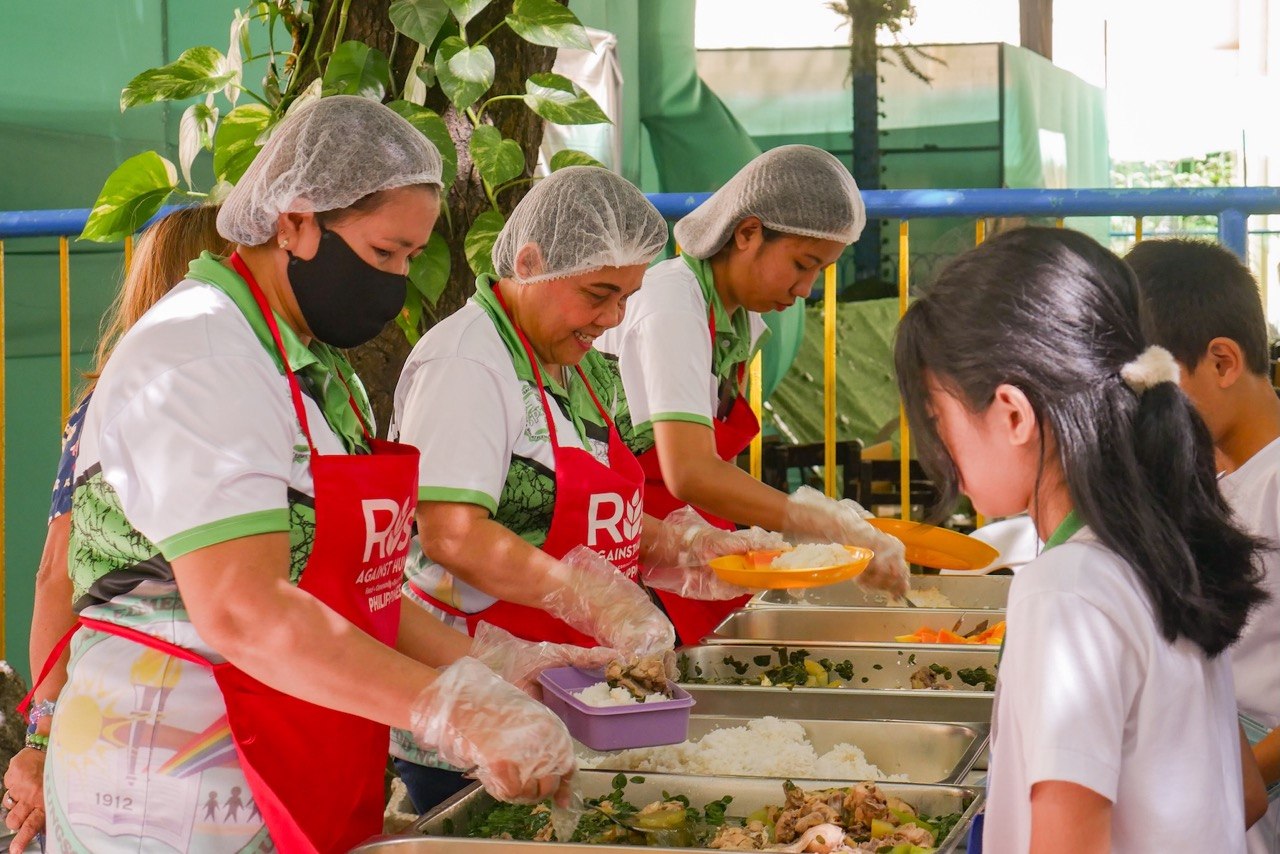
As stronger typhoons and other climate-related disasters threaten food security, Rise Against Hunger Philippines (RAHP) is pushing for a stronger nationwide food banking system, saying it can help communities recover faster while reducing hunger and food waste.
The Philippines is entering the peak of its typhoon season, when nearly 70 percent of tropical cyclones typically develop. Natural disasters affect more than 2 million Filipinos each year, disrupting livelihoods, damaging farms and leaving vulnerable families struggling to access food.
“The communities affected are often those that were already nutritionally vulnerable to begin with,” said RAHP Executive Director Jomar Fleras. “With typhoons and storms coming one after another, there is barely any time for recovery.”
As the country’s first and only nationally accredited food bank, RAHP has built a nationwide logistics and distribution network capable of responding quickly during emergencies. The organization now serves about 1.8 million Filipinos annually through food assistance, school feeding programs, disaster response and community initiatives, working with 85 food manufacturers and private-sector partners despite having only around 25 full-time employees.
Fleras said the organization focuses on cultivating long-term partnerships instead of relying on one-off donations.
“Companies are not ATMs. We look at our donors as partners. We want organizations that believe in the cause and share our vision of a world without hunger,” he said.
That approach has brought together companies including Amazon, JP Morgan and JTI Philippines, which provide logistics, volunteers, technical expertise and financial support during disasters. After a major earthquake in Cebu, RAHP partnered with Amazon and local organizations to develop temporary shelter kits when tents became scarce, allowing affected communities to begin rebuilding more quickly.
“What made that response successful wasn’t the donation itself,” Fleras said. “It was the collaboration.”
Looking ahead, RAHP is backing the proposed Food Banking Bill, saying it would institutionalize food banking across the country, cut food waste, strengthen disaster preparedness and improve the nation’s resilience as climate risks and humanitarian challenges continue to intensify.