Vivant Water is treating 2026 as a pivotal year as it moves from building its presence across the water industry to scaling operations, investments, and its project pipeline.
The company now has a foothold across the three major segments of the water business, bulk water supply, water distribution, and wastewater, completing what President Jess Anthony Garcia described as the foundational phase of its strategy.
In an exclusive interview with Context.PH, Garcia said Vivant Water remains on track to meet its 2030 targets, with the company accelerating investments and project development this year.
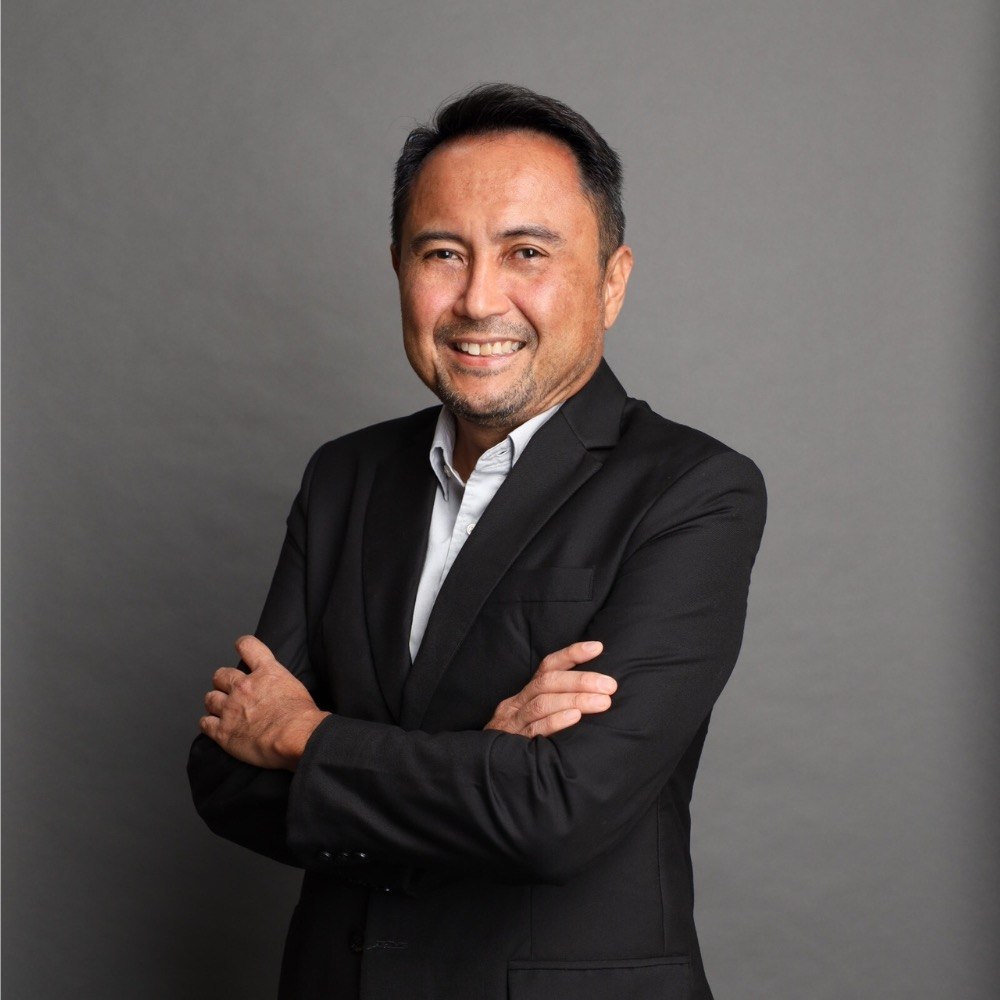
“We’re still in line with our targets for 2030,” Garcia said, referring to the P7 billion investment allocation from the P67 billion earmarked by Vivant Corp. for its water business. “Everything is being accelerated this year.”
The spending will support projects in bulk water supply, desalination, and wastewater treatment as Vivant seeks to turn a diversified portfolio into a larger growth engine.
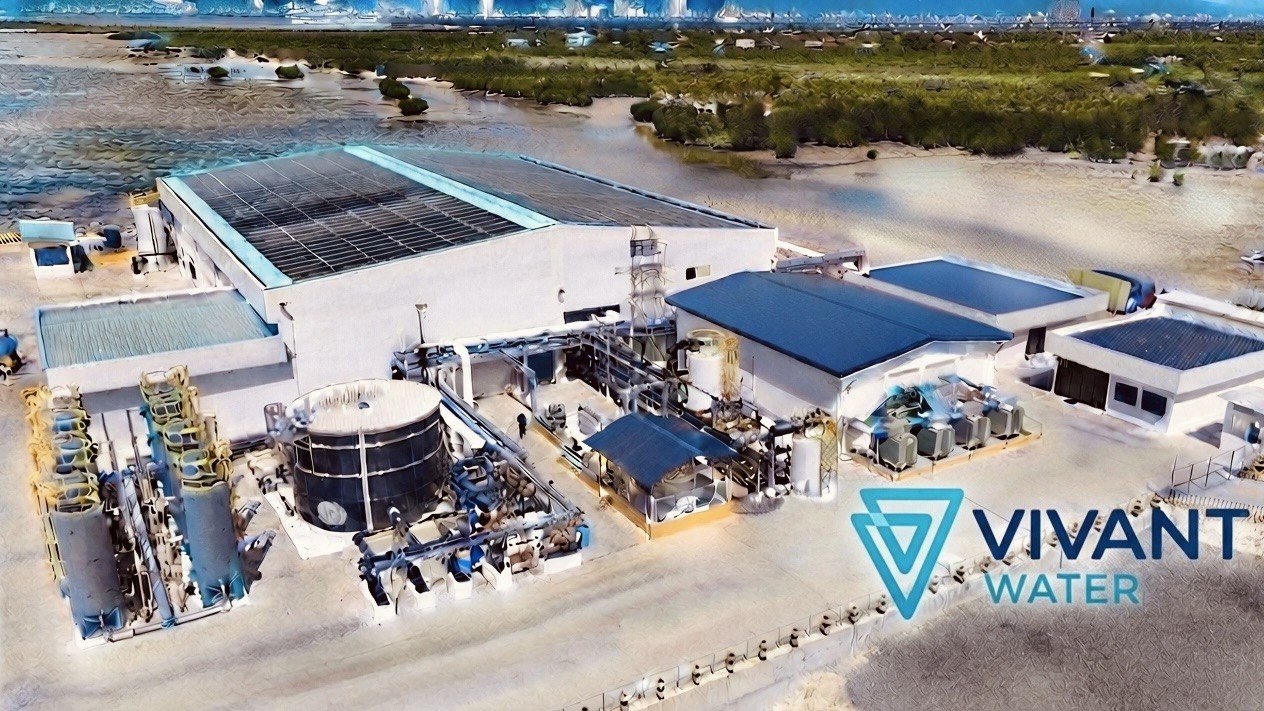
The company raised its stake to a majority interest in a wastewater treatment plant in Puerto Princesa early this year, launched water distribution services on Bantayan Island in May 2026, and began supplying the Metropolitan Cebu Water District (MCWD) from the Isla Mactan-Cordova Corp. (IMCC) seawater desalination plant on July 1.
“As of now, in terms of the different segments of the water business, namely bulk water supply, water distribution, and wastewater, we’re kind of completing the value chain,” Garcia said. “We already have a presence in all of the different segments of the water business. We need to concentrate on optimizing our operations right now and improving the quality of our service.”
The water push is part of Vivant’s broader diversification strategy, designed to reduce the group’s dependence on the power industry.
“We don’t want to be too concentrated in just one industry because if something happens in that industry, you’re going to be very vulnerable,” Garcia said.
Water, meanwhile, turned out to be a natural companion to power. Both businesses depend heavily on relationships with communities, local governments, regulators, and consumers, giving Vivant a head start in markets where it already has a presence.
“I would think it’s because of the similarity between power and water. You’re dealing with the same stakeholders, the same community, the same LGU, and the same consumers. It’s kind of a natural fit. Each business complements each other. There’s good synergy,” he said.
Garcia said Vivant Water is still a relatively small player, but the strategy was deliberate. The company wanted to establish a track record in each segment before chasing bigger opportunities.
“There’s opportunity in all the different segments, bulk water supply, water distribution, and wastewater. We just have to make sure that we’re present in these segments so that we always have proof of concept and a track record. Whatever solution you need, we can provide it,” he said.
Of the three, water distribution presents the trickiest operating challenge because the company deals directly with consumers.
“It’s B2C (business to consumer). We’re dealing directly with the customer. We need to ensure that we are able to optimize and make our operations more efficient so that we’re economically sustainable while delivering good service to our customers,” Garcia said.
Wastewater, by comparison, is a plant-driven business where performance can be measured more cleanly through contractual obligations and environmental outcomes.
“The level of success there is determined by our effluent, the quality of the water that comes out of the plant that we process,” Garcia said, noting that treated wastewater helps improve the quality of water discharged into Puerto Princesa Bay.
Bulk water comes with a different scorecard.
Vivant must deliver potable water to MCWD according to agreed standards for quality, volume, and pressure before the district distributes it to retail customers.
“In the case of our bulk water contract, we have to ensure that we are able to deliver water to the water district in line with our contract commitments in terms of quality, volume, and pressure,” Garcia said.
That makes the IMCC desalination plant particularly valuable. Its 20-million-liter-per-day capacity taps seawater, giving Cebu an additional source that is less exposed to climate variability and the El Niño phenomenon.
As Vivant expands, Garcia said water investments are expected to account for “somewhere around 10 percent or a little more” of the group’s overall investment portfolio, with that share likely to grow as more projects are developed.
The strategy will build on Vivant’s power footprint, particularly in communities where the group already has established relationships.
“Usually, when we have a presence, the community and the LGU present to us a water problem. So that’s where the synergy is,” Garcia said.
That local familiarity could prove useful as Vivant looks for opportunities beyond its existing markets.
Garcia said the next step is to scale up all three segments, particularly bulk water supply, distribution, and wastewater, while pursuing opportunities in water-stressed areas and adopting technologies that can improve efficiency and service delivery.
The market need is hard to miss. Garcia said water supply gaps persist nationwide, with Metro Cebu’s daily demand estimated at 500 million to 600 million liters per day, well above available supply.
The IMCC desalination plant helps narrow that gap, but Garcia said the shortfall remains large enough to support more investment from Vivant Water and other private-sector players.
Closing the gap will require more than a single source or technology. It will take diversified water supplies, sustained infrastructure investment, responsible groundwater management, and closer coordination among MCWD, local governments, regulators, communities, and private companies.
Wastewater treatment and recycling will also play a growing role, Garcia said. Water security is not simply about finding more water. It is also about making better use of what is already available.

Irma Isip is a seasoned business journalist covering corporate developments, international trade, and economic trends. A University of Santo Tomas graduate, she spent over 15 years as Business Editor at Malaya Business Insight, delivering clear, insightful reporting on key market and industry developments.