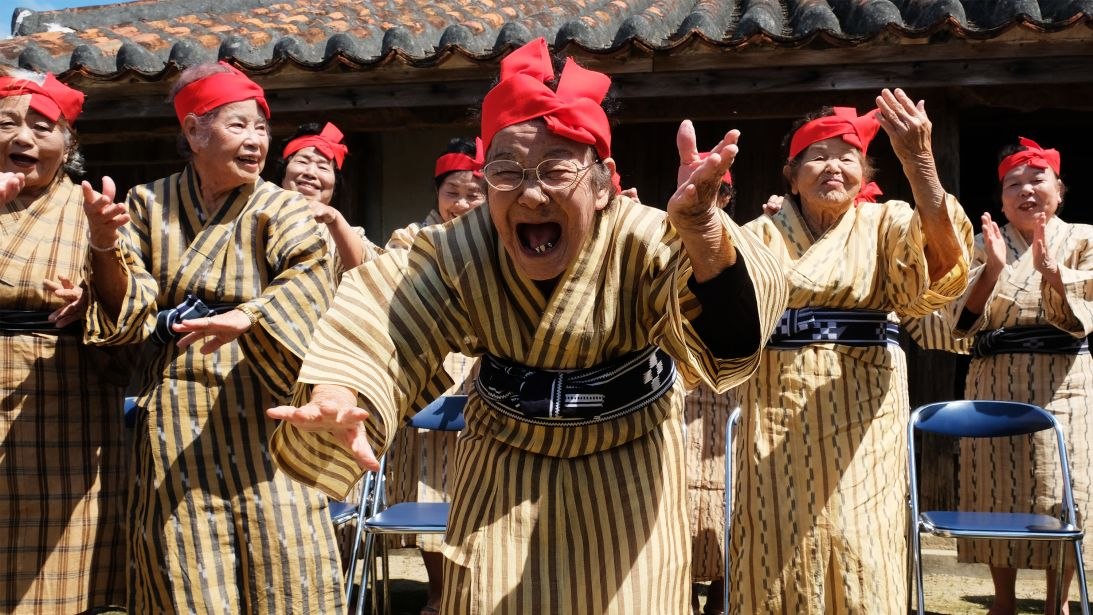
Living to 110 is already an extraordinary feat. Doing it with an immune system apparently stocked with an unusually large squad of cancer-killing cells makes the achievement even more intriguing.
A study published August 19 in Cell Reports found that supercentenarians, people who reach at least 110, have unusually high levels of CD4 cytotoxic T lymphocytes, or CD4 CTLs. These specialized immune cells can attack infected or abnormal cells, including some cancer cells.
Researchers from the University of Osaka analyzed blood samples from 28 people divided into three age groups: 70 to 99, 100 to 109, and 110 and older.
The older the participants, the greater the share of CD4 CTLs. Their median levels rose from 4 percent among those aged 70 to 99, to 9.6 percent among centenarians, and 17.6 percent among supercentenarians.
The immune system, in other words, did not simply grow tired with age. In these exceptionally old people, some of its troops appeared to be multiplying.
The researchers found evidence that this increase was driven by clonal expansion, a process in which T cells make copies of themselves after encountering threats. One dominant clone accounted for an average 33.3 percent of CD4 CTLs. In one centenarian, a single clone made up 53.8 percent.
The finding gets even more interesting. When researchers compared the T-cell receptor sequences of the dominant clones with a public database, nearly three dozen matched sequences were found in people with lung, breast, or liver cancer.
None of the centenarians studied had been diagnosed with those cancers, raising the possibility that their immune systems had developed defenses against abnormal cells before cancer became detectable.
But this is not a fountain-of-youth discovery in cellular disguise. The study does not prove that CD4 CTLs prevent cancer or make people live longer. It involved only 28 participants and examined immune cells circulating in blood.
Still, the research challenges the idea that aging simply means immune decline. In some remarkably old people, the immune system may be adapting rather than surrendering.
The next question is whether these cellular warriors are merely passengers on the longevity journey, or part of what keeps the oldest humans standing.