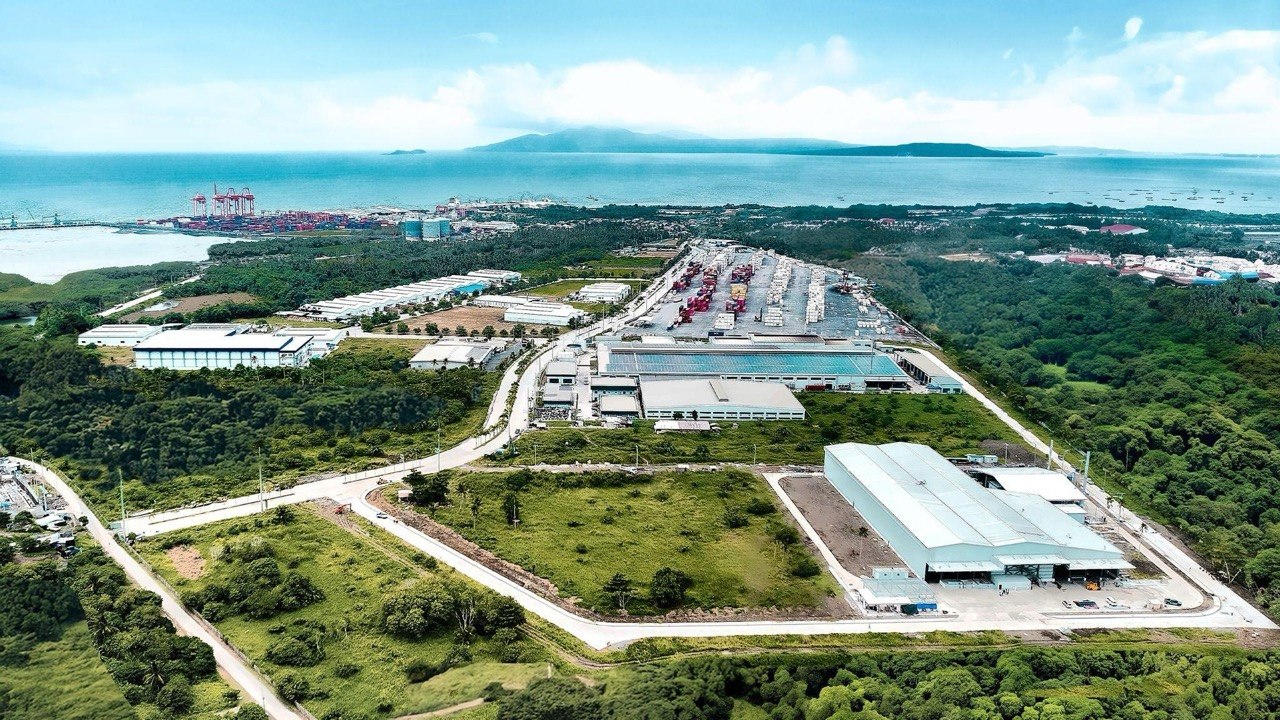
Anflo Industrial Estate (AIE) in Panabo City, Davao del Norte, has attracted an estimated P8.5 billion in combined investments from its developer and locators, as new cold storage and manufacturing operations are set to expand its industrial footprint this year.
Damosa Land Inc. said the 63-hectare, Philippine Economic Zone Authority-registered estate will add a cold storage facility operated by GMAC Logitech Refrigeration Corp. in 2026. An unidentified international manufacturer using Mindanao’s agricultural resources is also expected to begin operations toward yearend.
The company did not disclose the projects’ investment costs, projected employment or the incoming manufacturer’s identity, leaving the scale of their potential economic contribution unclear.
Now in its tenth year, AIE accommodates manufacturing, processing, warehousing and export-oriented businesses. Its proximity to the Davao International Container Terminal (DICT), about 300 meters away, offers locators access to shipping infrastructure serving regional and international markets.
DICT handles an average of 350,000 twenty-foot equivalent units annually, according to the company. Its shipping connections include ports and transshipment hubs in China, Taiwan, South Korea, Singapore and Indonesia, providing a logistical link for businesses seeking to move goods beyond Mindanao.
“Strengthening the country’s trade competitiveness requires continued investment in industrial and logistics infrastructure across the regions,” said Ricardo Floirendo Lagdameo, Damosa Land president.
The developments form part of investments by the ANFLOCOR group, which is also pursuing a separate cement manufacturing venture with PHINMA’s Philcement Corp. The planned facility, near DICT, is designed for annual production capacity of two million metric tons and will include dedicated bulk cargo-handling infrastructure.
Taken together, the projects point to efforts to diversify Panabo’s industrial base beyond agricultural exports. Cold storage and value-added manufacturing could help strengthen the handling and processing of bananas, coconuts and other Mindanao crops, although the extent of local sourcing and downstream economic benefits remains to be seen.
The next test will be whether these investments translate into sustained job creation, stronger local supply chains and higher-value exports.