The Department of Agriculture (DA) welcomes on Tuesday the expected reopening of the Strait of Hormuz following a U.S.-Iran peace deal. This shipping route had been closed for over 100 days, pushing up costs for fuel, fertilizer, and transport worldwide.
With the route open, prices are projected to ease, lowering production expenses for Philippine farmers. It also restores trade links with the Middle East, a major market for local fruits, coconut products, and canned goods. The move removes a major risk, allowing the government to shift full attention to El Niño readiness.
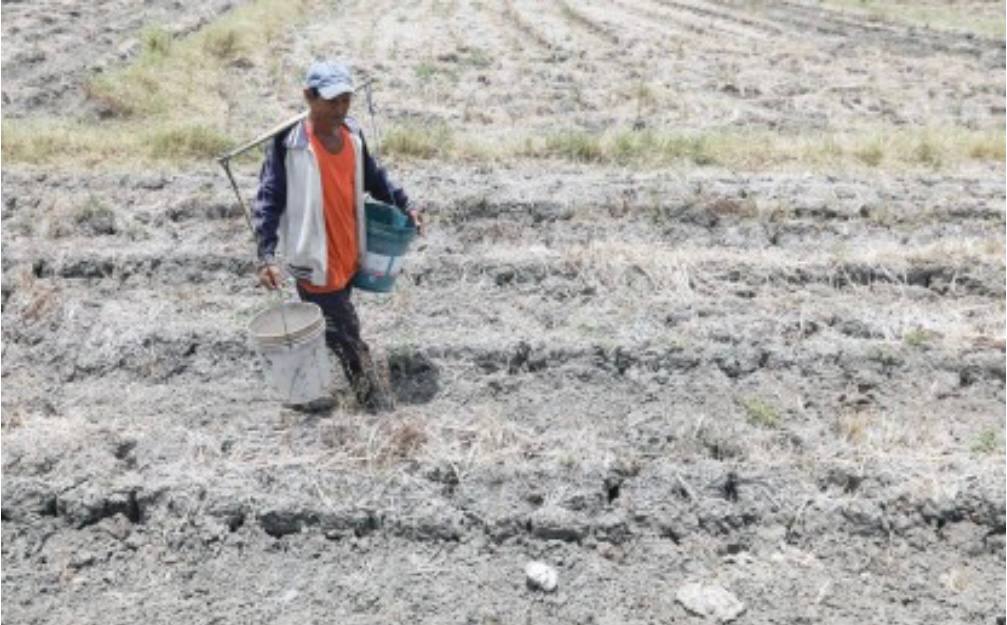
The UN Food and Agriculture Organization earlier warned that a prolonged closure could spark a global food price crisis. Meanwhile, the DA has reactivated its El Niño task force. PAGASA forecasts a 92 percent chance of moderate to strong El Niño from late 2026 into early 2027.
The department estimates rice output could drop by 700,000 metric tons if conditions worsen. To counter this, it is using cloud seeding, solar irrigation, adjusted planting schedules, and crop diversification. The 2023–2024 El Niño caused ₱57.78 billion in farm losses, and authorities stress that early action is vital to protect supplies and keep prices stable.