The Philippines is making its pitch to become more than a consumer of artificial intelligence. It wants a seat at the table where the chips, data centers, and investments are being built.
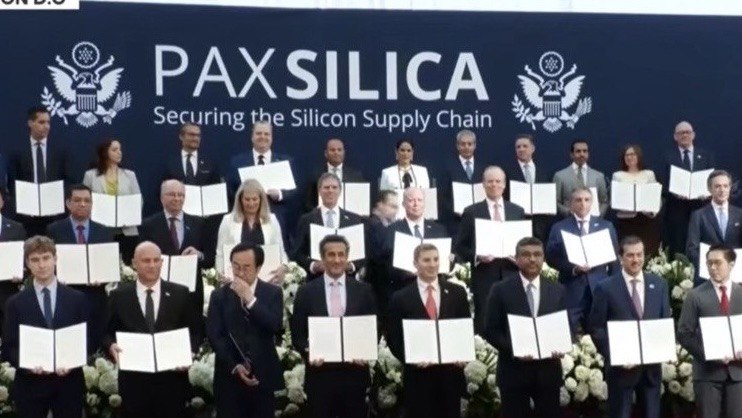
That ambition gained fresh momentum after the country joined the second Pax Silica Summit in Washington, D.C., and signed the AI Opportunity Statement alongside more than 30 partner economies, signaling its intent to compete for investments in trusted AI infrastructure, semiconductor ecosystems, and resilient supply chains.
Hosted by the U.S. Department of State, the summit convened government officials and industry leaders to deepen cooperation on artificial intelligence, semiconductors, critical minerals, advanced manufacturing, energy, logistics, and secure digital infrastructure. The gathering also expanded the Pax Silica network to 24 signatories of the Pax Silica Declaration, underscoring growing international support for trusted AI supply chains.
For the Philippines, the opportunity extends well beyond diplomacy. The AI Opportunity Statement outlines collaboration in cross-border research and development, venture capital partnerships, next-generation data centers, and semiconductor value chains—all areas where the country is seeking to attract fresh investment and create higher-value industries.
The initiative also emphasizes reliable energy systems, a skilled digital workforce, greater access to AI computing power, and trusted connectivity—building blocks increasingly viewed as prerequisites for participating in the fast-evolving AI economy rather than simply adopting its technologies.
Trade Undersecretary Ceferino Rodolfo represented the Philippines at the summit, joining other countries in endorsing a pro-innovation regulatory approach that encourages entrepreneurship, lowers barriers for startups, and promotes closer collaboration between governments and the private sector.
As global competition shifts from building AI models to securing the infrastructure behind them, countries are racing to position themselves within trusted technology networks. By joining the initiative, the Philippines is signaling that it wants to be part of that ecosystem—not just as a market for AI, but as a destination for the capital, talent, and manufacturing that will power its next chapter.