Halfway through 2026, many Filipino workers are discovering that the toughest item on their to-do list isn’t a looming deadline. It’s finding time for life after logging off.
A nationwide survey by Agile Data Solutions Inc. found that burnout is gaining ground across Philippine workplaces, driven less by heavy workloads than by an increasingly elusive work-life balance. One in three employees already describe themselves as generally or completely exhausted just six months into the year, making the daily grind feel less like a marathon and more like a treadmill that never stops.
The findings point to a subtle but important shift. Workers are not simply asking for lighter workloads or bigger paychecks. They’re looking for time to recharge, spend with family, pursue hobbies, or simply disconnect from work without guilt.
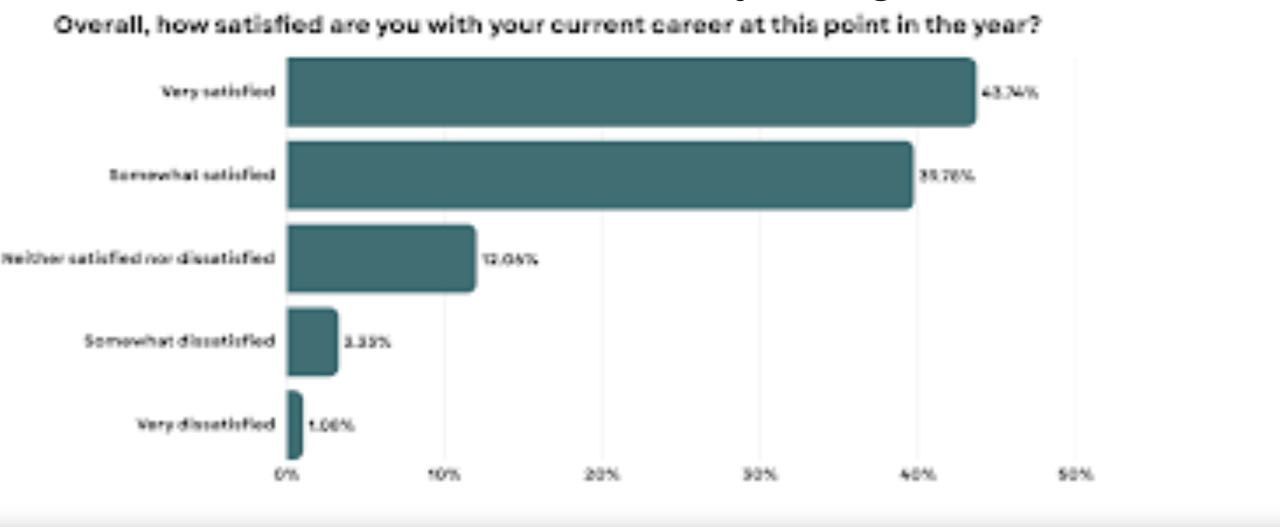
The survey of 1,111 working Filipinos found that difficulty maintaining work-life balance ranked as the leading cause of burnout, ahead of compensation, workload, management issues, and unclear direction from supervisors. While 84 percent said they remain satisfied with their careers, 60 percent feel their professional growth has stalled. Nearly one-third said that feeling only emerged within the past month, suggesting fatigue is building as the year wears on.
The strain is also showing up physically. Nearly half of respondents reported headaches and body pain linked to work, while one in four said work-related thoughts regularly disrupt their sleep. The office, it seems, is following many employees home, even after the laptop closes.
That fatigue is beginning to affect productivity. One in three admitted they sometimes do only the minimum required at work, while one in four said the effort they put into their jobs has declined since the start of the year.
Perhaps the clearest sign of changing priorities is that nearly eight in 10 respondents have considered switching careers over the past six months. Many dream of becoming entrepreneurs, drawn by the promise of greater flexibility and control over their schedules, although financial responsibilities continue to keep most firmly in their current roles.
“Many conversations around burnout focus on workload, but our findings suggest the issue runs deeper,” said Jason Gaguan, chairman and co-founder of Agile Data Solutions Inc. “Filipino workers aren’t simply asking for less work. They’re asking for enough room to have a life outside of work. Employers who recognize that distinction will be be in a stronger position to retain talent as the year progresses.”
Despite the exhaustion, the outlook is not entirely bleak. Four in five workers remain optimistic, or at least cautiously hopeful, about the second half of the year. For employers, that optimism may be the biggest opportunity of all. The companies that give employees room to breathe may ultimately find they have people who are more willing to stay, contribute, and grow.