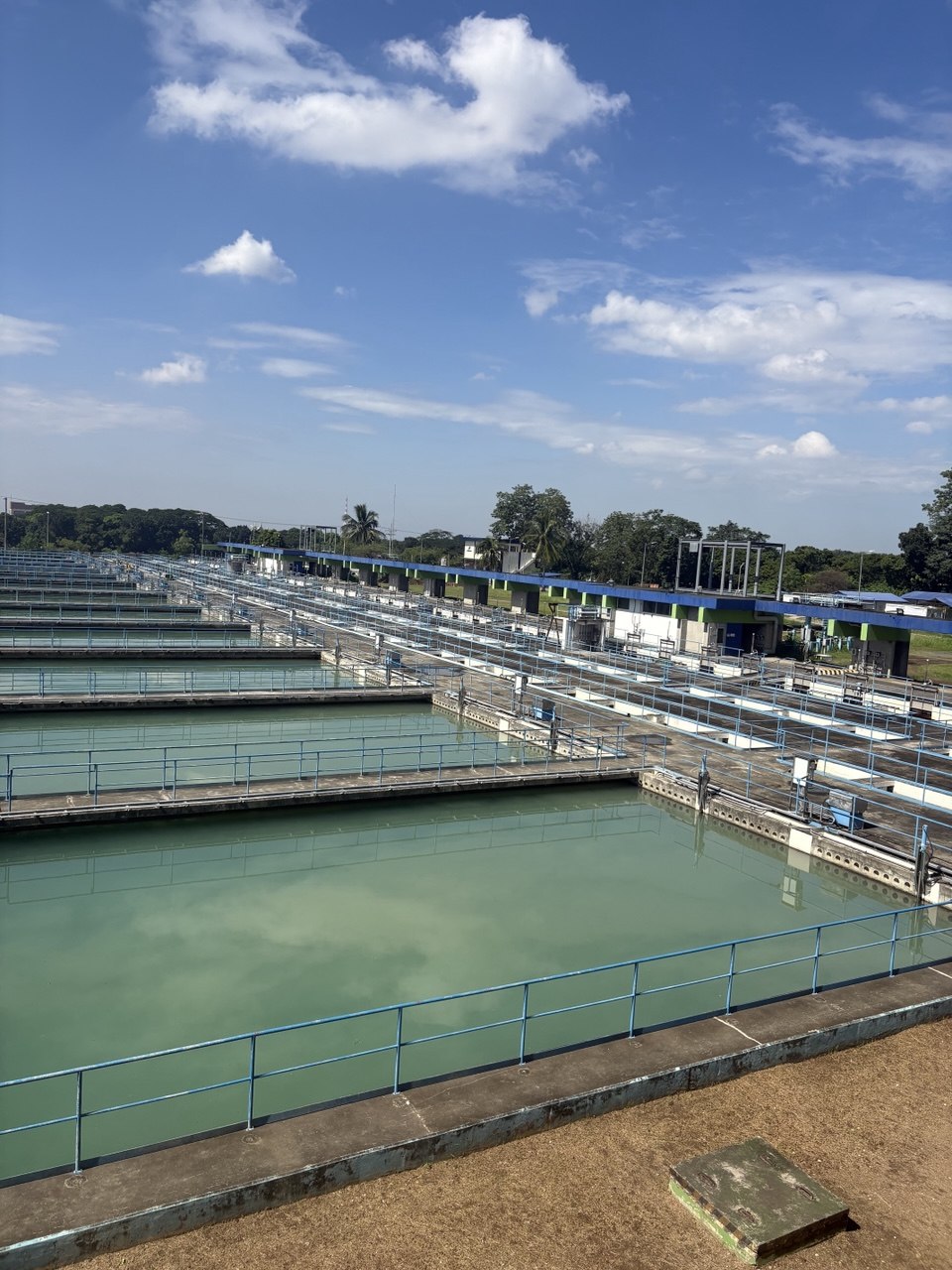
Maynilad Water Services Inc. is stepping up water-loss reduction efforts and nearly P10 billion in treatment facility improvements as the west zone concessionaire prepares for potentially drier conditions associated with El Niño.
The investments cover completed and ongoing rehabilitation works at its La Mesa facilities, including treatment upgrades, water recovery systems and expanded raw water storage, aimed at strengthening supply resilience amid mounting water security concerns.
Ronaldo Padua, Maynilad vice president and head of water supply operations, said the company has recovered about 150 million liters per day (MLD) through distribution system improvements. The volume is enough to meet the daily water requirements of around 150,000 households.
Jennifer Rufo, assistant vice president and head of corporate communications, described the recovered volume as “practically the output of a single water treatment plant.”
Maynilad is accelerating non-revenue water (NRW) reduction projects, including leak repairs and the replacement of aging pipes, to stretch existing supplies and limit losses before dry conditions potentially tighten water availability.
Padua said average NRW stands at 29 percent this year, with the company targeting a reduction to 20 percent by 2030. Meeting that goal will require sustained investment in pipeline rehabilitation and distribution efficiency.
The concessionaire is also exploring the potential of Kaliwa Dam as an additional water source. Meanwhile, it has reduced its dependence on Angat Dam from nearly 100 percent in 2007 to 83 percent through alternative sources.
At La Mesa, three recovery and augmentation systems are designed to deliver a combined 125 to 170 MLD once fully operational. Two systems are already operating, while completion of the remaining system is targeted for December.
Converted sludge lagoons currently provide 133 million liters of raw water storage, against a planned capacity of 200 million liters. The additional buffer could help cushion operations during reduced inflows or water allocation adjustments.
Together, the projects underscore Maynilad’s push to recover more water, diversify supply and build operational flexibility ahead of a potentially challenging dry season.